How to Immigrate To Canada as a Doctor

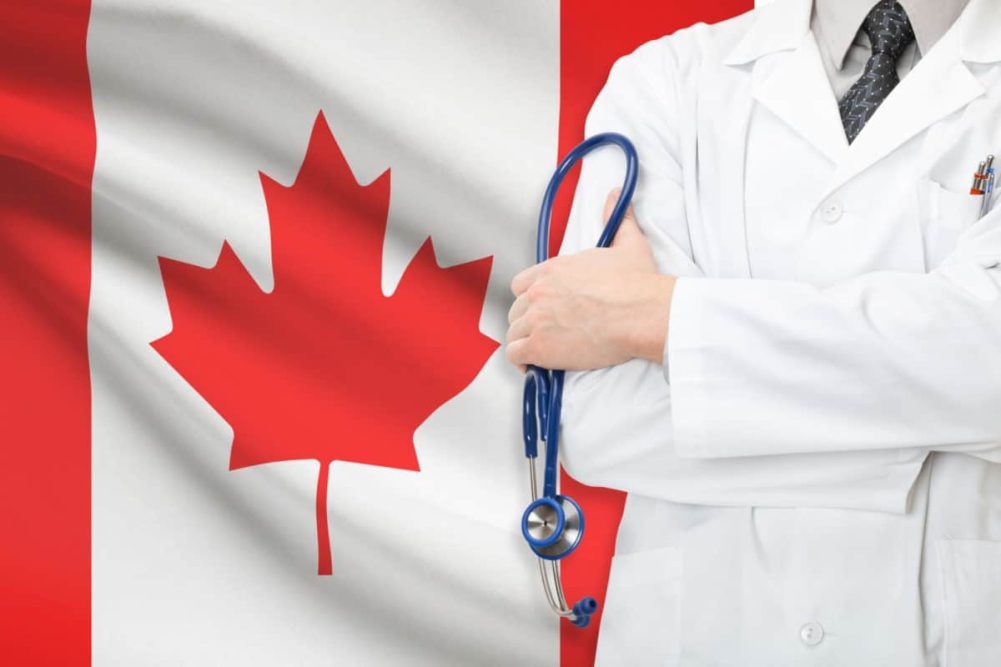
Are you a doctor looking to make Canada your new professional home? Well, you’re in luck because the Canadian government has created several routes that you can use to achieve this goal.

The process of immigrating to Canada as a physician is not only feasible, but there are various pathways to suit different circumstances. In the coming paragraphs we’ll delve into the different routes available for doctors to transition to the Canadian healthcare system:

Federal Skilled Worker Program

To qualify for this program, potential applicants must have skilled work experience in their occupation, e.g. doctors and physicians. Meeting or exceeding the pass mark on a points-based assessment is crucial. It’s also essential that the person’s occupation is listed in the National Occupational Classification (NOC).

To begin your journey on the FSWP path, you will need to create an Express Entry account profile, and you’ll be required to put in information about your work experience, language skills, education, and other factors. Next will be to get your profile ranked and awarded points based on the Comprehensive System. If you have a high score, you are more likely to receive an invitation to apply. Learn more about eligibility requirements and the application process for the Federal Skilled Worker Program.

Canadian Experience Class (CEC)

Doctors with prior experience working in Canada under a Temporary Resident Visa can leverage the Canadian Experience Class program to transition to permanent residency in Canada. It’s one of the fastest and most straightforward routes to permanent residency in Canada, with processing times as quick as 3-4 months.

The CEC is part of the Express Entry system; thus, you’ll need to create a profile on the Express Entry portal and receive an ITA before applying for permanent residence. You can find out more about the CEC eligibility requirements, application process, and the quota accepted at the website for Immigration, Refugees and Citizenship Canada (IRCC)

Provincial Nominee Programs (PNPs)

Provincial Nominee Programs are immigration programs run by individual Canadian provinces and territories, with the exception of Quebec and Nunavut. It can be a faster and easier way to immigrate to Canada as there is a lower minimum requirement for language skills and work experience. Each province is allowed to nominate individuals who wish to immigrate to Canada and who are interested in settling in a specific province or territory.

Doctors can explore PNPs in provinces where their skills are in high demand, such as British Columbia, Manitoba, Nova Scotia, Ontario, and more. Keep in mind that each province has its own specific requirements, the application process can be complex, and unfortunately, there is no guarantee that you will be nominated even if you meet the eligibility requirements. Learn about the eligibility requirements and application processes for PNPs where doctors are sought after.

Atlantic Immigration Pilot (AIP)

The Atlantic Immigration Pilot is designed for skilled workers, including doctors, seeking permanent residency in Canada’s Atlantic provinces. Doctors with experience in management, professional, or skilled job roles can apply through the Atlantic High-Skilled Program.

Requirements include having a foreign degree equivalent to a Canadian credential, language proficiency in English or French, an Atlantic employer approved by the provincial government to hire foreign workers, and proof of sufficient funds. Discover more about applying for the AIP and the opportunities it offers for healthcare professionals.

Work Permits

A work permit is a document issued by the Canadian government that authorizes a foreign national to work in Canada for a specific employer and at a specific location. For doctors looking to temporarily move to Canada, various work permit options are available, including the IEC Working Holiday program, Temporary Foreign Worker Permit (TFWP), and Post-Graduate Work Permit. Learn about the application process for these work permits.

Application Preparation

As you embark on your journey to immigrate to Canada as a doctor, ensure you gather all necessary documentation, including a Canadian Language Benchmark (CLB) level score of 7 in listening, speaking, reading, and writing. Certification of your documents is also essential to support your application.

Other documents you need include your passport, educational certificates, work experience letters, proof of funds, etc. Ensure they are valid and meet IRCC requirements.

When you understand the diverse pathways available and meet the specific requirements, doctors, you’ll be able to navigate the immigration process smoothly and embark on a fulfilling professional career in the vibrant healthcare landscape of Canada.

Obtaining a Licentiate of the Medical Council of Canada (LMCC)

The first step in your journey is getting an LMCC, a crucial qualification in Canadian medicine. This certification, issued by the Medical Council of Canada, signifies thais a prerequisite for enrolling in the Canadian Medical Register. To be eligible for an LMCC, you must meet specific requirements:

  • Graduate from a recognized medical school listed in the World Directory of Medical Schools.
  • Successfully pass the MCCQE Part 1 examination to assess your medical knowledge.
  • Complete at least 12 months of acceptable postgraduate medical training in your home country.
  • Pay the necessary application fees via physiciansapply.ca.

Once you have your LMCC in hand, the next step is to apply for a license from your provincial College of Physicians. Each province has its licensing process and types, from independent practice to clinical observership. It’s essential to research the requirements specific to the province you wish to work in.

The application process typically involves submitting documentation, undergoing assessments, and possibly interviews. Some provinces may allow you to initiate this process from your home country, streamlining the transition upon arrival in Canada.

By following these steps diligently and staying informed about the regulations in your desired province, you can pave the way for a successful medical career in Canada. So, if you’re ready to embark on this rewarding journey, start preparing for your new professional chapter today.

Conclusion

Becoming a medical doctor in Canada can be challenging but with resources such as CanadaQBank on your side, you can make your journey easier. CanadaQBank provides a reliable and comprehensive tool for foreign medical students to tackle challenging content and boost their confidence.

How can International Medical Students and Doctors Practice in the US?

How can International Medical Students and Doctors Practice in the US?

Getting jobs among foreign professionals abroad is a new trend with the advent of technology and globalization in the 21st century. Professionals in various industries are finding it easier to get work overseas thanks to the trend of globalization. But this isn’t always the case in the medical industry, especially when it comes to foreign doctors working in the US.

Foreign medical graduates (FMGs) frequently have to complete a significant number of coursework requirements that may not have been included in their foreign medical school curriculum, and it’s quite tasking.

Getting your medical license in the US

In the US, there is a more stringent onboarding process for Foreign Medical Graduates (FMGs) who wish to practice as doctors, even though the entry standards in those disciplines may be relatively simpler. International medical graduates (IMGs) are often required to acquire a translation certificate from the United States Citizenship and Immigration Services (USCIS).

After that, in addition to the medical degrees they earned back in their various home countries, they will need to complete further coursework and training. According to the ECFMG stats on international foreign graduates, about 59.4% obtained medical positions in the US. This shows that it is relatively easy to get a license in the US, although it can be tasking. Thus, it is expected that most FMGs should pass the licensing exams in the US in order for them to participate in residency or fellowship for international doctors.

Next, let’s discuss the requisites for foreign doctors who intend to practice in the US.

Pre Med Education

In the US, there are numerous ways to become a doctor, but they all involve attending medical school. In American universities, students who choose the pre-medical or pre-med track must complete certain courses in order to be eligible for medical school after receiving their bachelor’s degree. To become a doctor, you don’t have to major in biology, but you do need to complete some prerequisite courses.

Why do IMGs and Doctors require additional education in the US?

It is stated that when it comes to medical education, the US has very high standards. Even though international physicians may have had very high-quality training in their home countries, the US medical community has the necessary safeguards in place to ensure that foreign physicians intending to practice in the US have received US educational training.

Foreign medical professionals who wish to practice in the US must get ready to take and pass the US Medical Licensing Exams, as well as complete residency training, obtain certification from the Educational Commission for Foreign-Trained Medical Graduates, and take a third licensing exam.

Additionally, fieldwork is typically emphasized in the curriculum of several international education programs (mainly hands-on knowledge and skills). However, it is also expected that foreign Doctors who wish to get a license in the US should do the following:

  • Prepare ahead for the US Medical Licensing Examinations.
  • Obtain certification from the  Educational Commission for Foreign-Trained Medical Graduates.
  • Participate in, apply for, and finish residency programs designed for recent graduates of medical schools abroad.
  • Pass the third US medical licensing examination.
  • Fluently communicate in and comprehend English.
  • Possess a rudimentary comprehension of science.
  • Recognize the fundamental standards established by US colleges and institutions with accreditation.

The core courses required to practice medicine in the US

If you do intend to practice in the US as a foreign medical graduate or medical doctor, these are the core courses you need:

  • Chemistry Intro
  • Molecular & Cell Biology
  • General Biology
  • Physics
  • Calculus
  • College Algebra
  • Anatomy & Physiology
  • Principles of Genetics
  • Biochemistry
  • Research Writing
  • Epidemiology
  • Human Embryology

Educational Commission for Foreign Medical Graduates

The Educational Commission for Foreign Medical Graduates (ECFMG) offers thorough resources and information about licensure, residencies, the US Medical Licensure Examination (USMLE), and recognition.

The ECFMG evaluates international medical graduates’ preparedness to enroll in residency or fellowship programs in the United States that are accredited by the Accreditation Council for Graduate Medical Education (ACGME) through its certification program.

To be certified by the ECFMG, the candidates must meet the following requisites:

  • USMLE Step 1 and Step 2 completion is a requirement for the examination.
  • Fulfilling the prerequisites for clinical and communicative skills
  • Requirements for medical education credentials: a medical education certificate obtained from a school listed in the World Directory of Medical Schools (WDOM).

What you need to know about the United States Medical Licensing and its requirements

The USMLE is a three-step exam that is required to obtain a license to practice medicine in the United States. It is organized by the Federation of State Medical Boards (FSMB) and the National Board of Medical Examiners (NBME).

The exam measures how well a medical student can apply medical knowledge, principles, and concepts. It also assesses how well the medical practitioner can demonstrate fundamental and critical patient-centered skills. These skills are extremely crucial in the practice of health and diseases, and these skills constitute the foundation of safe and effective patient care procedures.

USMLE requirements for ECFMG certification

To get the ECFMG certification, you must pass both the USMLE Step 1 and USMLE Step 2 CK (Clinical Knowledge). Once you pass all three of these US medical licensing examinations, you get certified. Note that you can apply for this certification before you graduate from medical school. However, until you submit proof of graduation, you won’t get confirmation.

Still, you are eligible to start your US residency after obtaining ECFMG certification. So, make sure to apply for your residency well in advance of receiving your certification and degree. Note that the application process may require some time to complete. Now, one might ask, “What do I need to do in order to pass my USMLE test?” Well, you use resource sites like CanadaQBank to get practice questions and ideas on what the test looks like.

Conclusion

As a foreign medical student and doctor who intends to practice in the US, you must take into cognizance these tips as they will help you advance in your career. It’s not difficult to practice in the US; however, it’s quite tasking, but the tips mentioned above would help lighten the burden.

The Top 10 New Year Resolutions Every Medical Student Should Make

The Top 10 New Year Resolutions Every Medical Student Should Make

Resolving for the coming year is an excellent approach to start fresh. it’s like pressing “reset.” You get to decide the manner in which you want to approach your goals and set new ones or reexamine existing ones. As medical students and aspiring medical practitioners, it’s important to make resolutions ahead of the new year.

Now, whether these resolutions work or not, it’s still important to make them as they help in clarifying your goals for the year, evaluating the previous goals, and reforming or setting new goals for the year. These goals might act as a guide to help you fulfill your obligation to support your studies. In the coming paragraphs, we will look to explore the top 10 New Year’s resolutions for medical students in this article.

Why should medical students consider making a new year’s resolution?

As a medical student, new year resolutions can be of great help. You can maintain your academic progress, cultivate healthy habits, and progress in your career by making resolutions. They enable you to specify particular goals and identify opportunities for improvement.

These solutions can be crucial for medical students in keeping a balance between their daily lives and their studies. As a result, you become a habitually disciplined person.

Why do new year resolutions fail?

This is a question most people ask often. The real problem here is that the goals or resolutions they made were unrealistic or, rather, relied heavily on hope, simply say, a case of over-optimism.

However, it’s okay to be optimistic, but let your goals for the year be within your reach. Another case is the fact that people tend to overrate themselves and fail to take up desirable traits that can help them achieve their goals for the year. These unrealistic resolutions for the year can hamper one’s ability to achieve any goal for the year. Thus, the Idea here is to set goals that are within your reach. Still, know that It’s okay to take it from day to day and try as much as possible to make resolutions that you can achieve.

10 New year’s Resolutions for medical students:

1. Manage your time properly

It’s important that you create a schedule so you can manage your time properly. Try as much as possible to establish this schedule within the first month of the year so you won’t have your personal life clashing with your studies.

2. Enhance your study habits

Another important resolution for a medical student is to improve his or her study habits. By doing so, you optimize your learning process. So, allocate time for studying, organize your schedule, and seek help when you need it.

3. Self-care

Self-care is very much needed, starting with the basics; a healthy diet, enough sleep, proper cleanliness, and regular exercise is the best course of action. A diet high in fast food, skipping meals, or surviving solely on snacks is a surefire way to lose energy and focus. Alternatively, use the meal prep method to save time by planning and preparing multiple meals at once.

4. Volunteering or shadowing

Volunteering at several outreaches can be a valuable asset and offer you very much needed experience. Not only would you gain experience, but your dedication will certainly help in future endeavors.

5. Attending seminars and workshops

Workshops and seminars are important and are valuable assets to medical students. Here you can learn new skills, get updates as well as gain experience. It is essential that you attend seminars and workshops as it will help you make progress in your career.

6. Stay updated

From books to magazines and online journals to sites such as CanadaQBank. You can stay informed and updated on the latest innovations in the medical field. This knowledge will help you in the ever-evolving medical field.

7. Seek mentorship

You may need a mentor who is a medical doctor or a medical student of a higher level. They tend to offer priceless insights into the medical field. They can provide guidance on patient care, medical school barriers, and the realities of different medical disciplines. Above all, they may offer you knowledge that you won’t discover online or in other places. PS, it’s never too early or too late to get a mentor.

8. Connect with peers

Study motivation, problem-solving, organizational, and time management abilities have all been demonstrated to be enhanced by near-peer education.

Connecting with peers can also prove valuable in the medical field.

9. Prepare for all your professional exams

It is of utmost importance that you prepare for all your exams or tests. Early preparation for tests such as the MCAT and USMLE is important for you as it will help you familiarize yourself with the materials available. Qbanks like the CanadaQBank can help with practice questions. You must remember that thorough preparation will help you gain admission into medical school or get your license.

10. Keep your lifestyle balanced

Most medical students are so invested in the medical field that they often forget that there is life outside the medical field. As much as it is a good thing to be concerned about the field, it’s also important that you find a balance between medical school and your personal lifestyle. You must create a balance between both so you won’t wear out.

Stages in medical school

There are a couple of stages in medical school, from pre-med to becoming a practicing physician, and they include:

So, when making a new year resolution as a medical student, it’s important to consider all these stages.

Conclusion

Making resolutions for the new year can be pleasant or difficult, and It is up to you to decide. Focusing on something you truly desire and are prepared to dedicate yourself fully to is the first step. If you follow through on this, you’ll be well-positioned to maintain your motivation and achieve success. Remember, in your journey to becoming the best medical practitioner, CanadaQBank can and will help you pass your exams more easily with its vast resources.

Handling Difficult Medical Board Questions That You’re Unsure About

Everyone who has been through medical school can agree on the emotional and stressful turmoil that comes with writing exams. There’s the initial surge of courage and determination, fueled by the set exam date and the focus it brings, gradually giving way to creeping anxiety as the exam looms closer and the feeling of not keeping pace with the study schedule mounts. A last-minute rush to see if you can recall everything you’ve studied and then the quiet acceptance as you witness the exam about to begin.

As the exam begins, the true test commences – not just of one’s medical knowledge but also of your ability to manage emotions and maintain your composure under pressure. You read through the work and then you meet that question you’re unsure of. Now the question is, “how do you handle it?” Well, that’s what we’ll discuss in this article.

What to do when you encounter a difficult question

Encountering a difficult question during an exam is a daunting experience. It can disrupt your flow, undermine your confidence, and even lead to panic. However, it’s important to remember that difficult questions are a natural part of any exam, and they do not necessarily mean that you are failing; with a calm and strategic approach, these challenges can be overcome and turned into opportunities for success.

So, we’ve put together a list of tips that are helpful and should be employed to aid you in handling the difficulty.

1. Maintain a calm and focused mindset: It is a sad truth that no matter how hard you prepare, there will still be that one question that throws you off your game and stalls your progress.  Stay calm and avoid getting stressed out to prevent the start of a negative feedback loop. Panic will only cloud your ability to think and make you spend more time on a particular question. If you falter, take a deep breath, recover, and then focus on the task at hand and trust your ability to handle challenging situations.

2. Read the question carefully and thoroughly: As you maintain a calm mind, take the time to fully read and understand the question and identify the key information being asked. Keep your eye out for minute details that might get lost, information like age, sex, occupation, and abnormal lab values. For lengthy or complex questions, break them down into smaller, more manageable parts. This technique can make the question more manageable and easier to tackle.

3. Identify keywords and phrases: Pay attention to specific keywords and phrases that appear both in the question and answer choices. These can provide clues to the correct answer.

4. Analyze the question type: Determine the type of question, whether it is a single best answer (SBA), multiple best answers (MBA), extended matching questions (EMQ), or image-based questions (IBQ). Each question type requires a slightly different approach:

a. Single Best Answer (SBA): After reading the entire question stem, eliminate answer choices that are clearly incorrect or irrelevant. Consider the most likely diagnosis or treatment based on the patient’s presentation and history. Evaluate each remaining answer choice carefully and select the one that best fits the scenario.

b. Multiple Best Answers (MBA): Identify the number of correct answer choices. Read each answer choice carefully and select the ones that are clearly applicable to the scenario. Eliminate answer choices that are clearly incorrect or irrelevant.

c. Extended Matching Questions (EMQ): Read each patient presentation or scenario carefully and identify the relevant information. Match each patient presentation to the most appropriate diagnosis, treatment, or other relevant information. Eliminate answer choices that are clearly incorrect or irrelevant.

d. Image-based Questions (IBQ): Carefully observe the image and identify any relevant anatomical structures, abnormalities, or findings. Correlate the image findings with the question stem to determine the most appropriate answer choice.

5. Eliminate obviously incorrect answer choices: After you understand what is being asked, go through the options and rule out answer choices that are clearly wrong or irrelevant to the subject being asked. This should narrow down the options and allow you to critically analyze them, increasing the chances of selecting the correct answer.

6. Draw upon your knowledge and experience: When faced with a challenging question, tap into your medical knowledge and experience to make an informed decision. Consider the patient’s presentation, history, and the most likely diagnosis or treatment scenario, and try to recall relevant medical concepts, studies, or clinical cases that shed light on the correct answer. This will provide a framework for evaluating the remaining answer choices and increase your chances of selecting the correct answer.

7. Make educated guesses if unsure: When faced with uncertainty, don’t hesitate to make an educated guess based on your medical knowledge and understanding of the material. You can draw connections to related concepts you’ve studied well and allow them to guide your decision-making process. Scrutinize the questions you’ve already answered for clues or keywords that might provide hints towards the correct answer for the current question. Remember, a well-reasoned guess is always preferable to leaving a question unanswered.

8. Refrain from dwelling on difficult questions: Finally, if, after employing all the steps above, you still need to learn the answer, then you should move on to the next question. Spending more time than necessary on a particularly challenging one is a surefire way of preventing you from answering all the questions asked. If time permits, you can return to the difficult question after you’ve answered all the other questions.

9. Practice with Sample Questions and Mock Exams: This final tip is ironic because it’s meant to be done before you go into the exam venue. When drawing up your study schedule, make sure you pen down time to practice sample questions in a mock exam that simulates the exam environment; this will prepare you for the real deal. You can find samples on the USMLE, the MCCQE, and PLAB here.

Remember that diligent preparation must have preceded your attempt to write the exam. There is no substitute for hard work and studying, and these tips will only help where there is something to remember.

Conclusion

Difficult questions are unfortunate hurdles that most people will encounter when writing exams. However, they don’t have to be the reason why you fail to finish answering all the questions asked. Remember to maintain your calm and prepare properly before the exam to ensure you cover all the relevant topics. Consider utilizing question banks like the ones found at CanadaQBank, which have materials on all the major medical board exams to practice as you study. Regardless of how difficult the exam might seem at first, do not fear because, through a series of logical elimination, you will arrive at the correct answer.

What Skills Are Needed To Be A Doctor

Being a doctor is a noble yet demanding profession. It requires far more than academic excellence or medical knowledge alone. To succeed as a physician, you must develop a wide range of skills that combine scientific expertise with human understanding, emotional intelligence, and strong professional ethics.

In this article, we explore the essential skills every successful doctor needs and explain why each one matters in modern medical practice.

Effective Communication

Communication is one of the most critical skills a doctor must master. Physicians communicate daily with patients, families, nurses, colleagues, and senior consultants. Whether explaining a diagnosis, outlining treatment options, or presenting a case, clear and accurate communication is essential.

Doctors must tailor their language to their audience. The way you speak to a colleague differs significantly from how you speak to a patient. Being open to questions, feedback, and constructive criticism fosters trust, improves teamwork, and enhances patient outcomes.

Collaboration and Teamwork

Healthcare is built on teamwork. Doctors work closely with nurses, pharmacists, social workers, therapists, and administrative staff. A collaborative mindset ensures coordinated care and reduces medical errors.

Strong teamwork involves knowing when to lead, when to listen, and when to seek support. Effective collaboration improves efficiency, strengthens professional relationships, and ultimately benefits patients. No doctor works alone, and no doctor knows everything.

Hard Skills and Soft Skills

Hard Skills

Hard skills are technical, measurable abilities directly related to medical practice. These include clinical knowledge, diagnostic skills, procedural competence, familiarity with medical technology, and proficiency in medical documentation or even foreign languages.

Employers and training programs often evaluate doctors based on these competencies, as they form the foundation of safe and effective patient care.

Soft Skills

Soft skills are interpersonal qualities that shape how doctors interact with patients and colleagues. These include communication, empathy, leadership, adaptability, conflict resolution, and professionalism. While some soft skills come naturally, most can be developed with experience and conscious effort.

The Importance of Balancing Both Skill Sets

A successful doctor must combine strong hard skills with refined soft skills. Medical knowledge enables accurate diagnosis and treatment, while soft skills ensure compassionate, patient-centered care. Together, they allow doctors to deliver high-quality healthcare while maintaining trust and professionalism.

Work Ethi

Becoming a doctor requires years of education, training, and exams, but the demands do not end after qualification. Physicians often work long hours, night shifts, weekends, and holidays.

A strong work ethic, discipline, and commitment to patient care are essential. Medicine is mentally and physically demanding, but dedication and perseverance make it possible to thrive in the profession.

Confidence

Confidence is vital in medicine. Patients rely on doctors to make informed decisions and provide reassurance during vulnerable moments. Confidence allows physicians to act decisively while remaining open to learning and consultation when needed.

Knowledge builds confidence. Tools like CanadaQBank help doctors and medical students strengthen clinical reasoning, improve decision-making, and reinforce medical concepts through exam-style questions and explanations.

Empathy

Empathy enables doctors to understand their patients’ fears, concerns, and emotional states. It strengthens the doctor–patient relationship and improves patient satisfaction and adherence to treatment plans.

An empathetic doctor listens actively, validates patient experiences, and delivers care with compassion and respect.

Critical Thinking

Doctors frequently face complex and uncertain medical scenarios. Critical thinking allows physicians to analyze information, evaluate evidence, eliminate bias, and make sound clinical decisions.

Strong critical thinking skills enable doctors to consider multiple perspectives, weigh risks and benefits, and choose the most appropriate course of action for each patient.

Medical Knowledge

A solid foundation in medical knowledge is non-negotiable. Doctors must understand anatomy, physiology, pathology, pharmacology, and clinical medicine while staying updated with evolving research and treatment guidelines.

Medicine is a lifelong learning journey, and question banks like CanadaQBank help doctors continuously refine and update their knowledge.

Problem-Solving Skills

Problem-solving is central to medical practice. Doctors must diagnose conditions accurately, often under time pressure and with incomplete information.

Being resourceful, adaptable, and analytical allows physicians to manage unexpected challenges and deliver effective care even in difficult circumstances.

Attention to Detail

Small details can make a significant difference in medicine. Accurate interpretation of patient histories, lab results, imaging, and subtle symptom changes is essential for safe and effective treatment.

A strong attention to detail reduces errors and improves diagnostic accuracy.

Time Management

Doctors often juggle multiple patients, procedures, documentation, and administrative tasks. Effective time management ensures efficiency, reduces stress, and helps prevent burnout.

Strong organizational skills allow doctors to prioritize tasks while maintaining high standards of care.

Ethics and Professionalism

Doctors are entrusted with patients’ lives and personal information. Ethical behavior, integrity, confidentiality, and professionalism are fundamental to medical practice.

Physicians must navigate ethical dilemmas while prioritizing patient welfare, maintaining honesty, and upholding professional standards.

Resilience and Emotional Intelligence

Medicine can be emotionally challenging. Doctors face high-pressure situations, patient suffering, and difficult outcomes. Resilience allows physicians to recover from setbacks and continue providing care.

Emotional intelligence helps doctors recognize and manage their own emotions while empathizing with patients and colleagues, promoting long-term well-being and career sustainability.

Conclusion

Doctors do not work in isolation. They are part of a multidisciplinary healthcare system that depends on collaboration, empathy, knowledge, and professionalism. Developing these essential skills enables doctors to provide safe, compassionate, and effective care while sustaining a fulfilling medical career.

Medical School Supplies You Need for the New Semester

The beginning of a new semester in medical school usually arrives with excitement alongside some anxiety. This is because a new semester represents a new chapter in the academic journey as freshers and returning students prepare for stimulating coursework, interactive practicals, and exhaustive lectures and ward rounds.

In this article, we will give you ten medical school supplies that you could purchase to start off any new semester on the right foot. We will describe the necessary diagnostic and therapeutic materials students require to enhance their performance on tests and examinations and increase their knowledge retention.

  1. Quality Stethoscope

The stethoscope is an indispensable tool for medical students. With a stethoscope, medical students can listen to and monitor patients’ vital body sounds, such as heartbeats, lung sounds, and bowel movements. Thus, students can train themselves to recognize sounds associated with both normal and pathological conditions of the human body.

Additionally, its extremely important makes it invaluable in every clinical setting. So, investing in a good-quality, durable stethoscope is essential because without it, students cannot master their craft and become proficient and competent healthcare professionals. No wonder the stethoscope is globally recognized as an extension of the medical professional!

  1. Diagnostic Kit

The diagnostic kit is an all-inclusive set of instruments that enables medical students to perform extensive diagnostic tests on patients. This kit typically includes a tendon hammer, a tuning fork, a penlight, and a measuring tape. These instruments are vital to the medical student as every medical technique used during clinical examinations uses at least one item from the kit to explore the patient’s body and draw a conclusive diagnosis.

Students use the tendon hammer to trigger important reflexes from patients’ joints and tendons, the tuning fork to elicit vibratory sensations for judging the extent of hearing loss or tissue damage, and the penlight to examine orifices and assess neurological responses. Students who own their personal diagnostic kits will likely cultivate critical examination skills through practice while those who fail to master them will have short-lived careers.

  1. Laboratory Coat

The white coat, a known symbol of the medical profession, is a piece of clothing that holds significance for medical students and workers. Worn mostly during ward rounds and clinical consultations, when students get to interact with patients, the lab coat is an icon of the medical profession that engenders a feeling of authority and professionalism. Hardly any interaction occurs between a patient and a medical student who is without a labcoat (with an embroidered name tag).

Besides serving as a signal to patients seeking relief, the lab coat also protects its wearer from contaminants and stains that are rampant in the clinical setting. Therefore, it is one of the most important tools that distinguishes students engaged in medical practice.

  1. Comfortable Scrubs:

Medical scrubs are specialized garments associated with physicians, surgeons, and other healthcare professionals. However, besides dazzling the uninitiated public, scrubs serve an important role for medical students. These uniforms give medical students easy movement, comfort, and extra hygiene while moving about the unpredictable clinics and wards of a hospital or healthcare facility.

Medical students who consistently wear scrubs attain a higher level of protection against hazardous fluids, chemicals, beddings, etc. and reduce the risk of transmission of infectious agents. Moreover, wearing scrubs contributes to maintaining a sterile environment in operating rooms, thus promoting the fast recovery of patients.

  1. Personal Protective Equipment:

Personal protective equipment (PPE), such as gloves, face masks, face shields, and hair nets are necessary to maintain aseptic conditions in every clinical setting. These materials protect users from communicable diseases, and reduce cross-contamination to significantly low levels.

Recent global events, such as the Ebola and COVID-19 pandemics have made these protective gear more important and even mandatory in some hospitals. By equipping themselves with PPE, medical students prioritize the health status of the entire clinical community, including workers and clients, and demonstrate their willingness to learn.

  1. Dissection Kit

A dissection kit is a collection of surgical equipment that is mainly used by medical students during anatomy lab practicals. The kit usually comprises scalpels, forceps, blades, scissors, and other such instruments. Students use these precision tools to explore structures in the human body, building up their knowledge of the anatomical positions and physiological functions of the body’s organs.

Also, hands-on dissection sessions teach fine motor skills and surgical techniques that students will invariably need to tackle the challenges and responsibilities of their medical careers.

  1. Laptop or Tablet Device:

Medical students, like all humans of the modern age, have come to require 21st-century technologies such as the computer and the internet. Similarly, med school instructors have integrated modern facilities into the teaching process. So, a tablet or laptop computer is an invaluable tool for efficiently taking notes during lectures and rounds as well as accessing relevant online resources and materials, and communicating with colleagues and mentors.

As schools move to more hybrid systems that accommodate remote learning, students are made to take a portion of their examinations via online platforms that discourage cheating and ensure they are up-to-date with the current coursework.

  1. Medical Apps and Charts

Medical charts are visual aids that provide detailed illustrations of anatomical systems, physiological processes, biochemical cycles, developmental timelines, etc. These charts reinforce learning for medical students who are wise enough to pay attention to them.

In this digital era, there is an increased collaboration between software developers and health workers to release medical applications that instruct, educate, or inform users on a wide range of topics. These apps are easily downloadable and offer features, including clinical calculators, medical dictionaries, and drug references. In addition, there are also apps with access to medical databases, published journals, and exam past questions.

Thus, by using these physical and digital study aids, medical students are guaranteed an edge over their peers who rely solely on old-fashioned media.

  1. Medical Books and References

The medical student generally consumes a huge amount of textual information on a daily basis. These come in the form of textbooks, notes, and reference materials that contain in-depth knowledge on all medical fields and concepts. That’s why a diverse library of medical books equips students with a huge arsenal of guides and resources that enable them to learn accurate, updated information in their quest of continuous higher learning.

  1. Study Materials

Every student, regardless of their course of study, needs good writing  materials for taking notes in class, self-study, etc. Medical students need to write quick notes when consulting a patient in the clinic or learning during ward rounds.

Students who generally have a constant supply of notebooks, notepads, pens, highlighters, and sticky notes can enhance their learning process by ensuring they do not miss any information. With these materials, they can create sketches and diagrams to aid understanding, create visual cues to emphasize points, and stay focused and organized while pursuing excellent results.

Honorable mentions to this exhaustive list include a good study habit, a clean, comfortable environment, an enjoyable hobby, a good QBank like CanadaQBank, and a hot cup of coffee (but not too much)

Conclusion

Medical school is a long, intensive journey and arming oneself with the tools described above will help you breeze through your classes and exams. Whether you are at the start or nearing the end of this rewarding journey, we hope that these tools aid you on your long days and nights in service of humanity. Remember, to use CanadaQBank to access a vast bank of questions to make your studying less stressful.

How to Become a Surgeon in Canada

How to Become a Surgeon in Canada

Surgeons are critical in the healthcare industry. They are medical doctors specializing in conducting surgical operations to diagnose, manage, and treat various medical diseases and conditions. They also play a vital role with their skills when there are emergencies and planned surgical procedures, ranging from benign interventions to serious and life-saving situations.

However, surgeons do not only work in the operating room. They also work with other health professionals to produce treatment plans and provide care and support for patients before and after a surgical procedure until they recover. They also contribute to medical research, innovation, and development, improving the healthcare system. That’s why in this article, we’ll focus on how to become a Surgeon in Canada.

Let’s get to it!

Surgery in Canada

In recent years, the demand for skilled surgeons in Canada has steadily increased. With population growth and an increase in older people, surgical interventions are greatly needed to meet the many diseases and medical conditions that have increased significantly. The advancement in medical technology and services has opened many windows and doors, expanding the scope of surgical procedures. This has dramatically increased the demand for skilled surgeons in Canada and internationally.

Certain areas in Canada have a significant shortage of surgeons, accentuating the need for health professionals in the industry. The areas faced with these shortages are primarily rural. This presents an excellent opportunity for anyone passionate about practicing outside major urban areas.

Becoming a surgeon is a very prestigious achievement in many ways. Having the ability to save lives can be very rewarding.

However, do not be deceived, as the path to becoming a surgeon in Canada is an arduous and extensive educational journey spanning over a decade. Below are guides to the academic criteria for becoming a surgeon in Canada.

1.  Highschool

The journey starts in high school. Students with a passion for healthcare are usually in science classes. They focus on science courses, including chemistry, physics, and biology.

Students have to have excellent math and English grades, as these are the basis for academic success in the future. You should note that engaging in extracurricular activities, especially those related to the medical field and volunteering, would be good.

2.  Undergraduate Degree

After graduating high school, students who still wish to become surgeons must have an undergraduate degree. However, there are no particular requirements for the type of degree. Most medical schools require a Bachelor of Science (B.Sc) degree or equivalent.

You should know that maintaining high academic performance and participation in extracurricular activities, including research and volunteer work, is an excellent track record for students who want to be surgeons.

3.  Taking the Medical College Admission Test (MCAT):

The next phase of becoming a surgeon involves taking the Medical College Admission Test. The test is a standardized examination. It assesses the candidates’ science knowledge, problem-solving skills, and critical thinking. Note that high scorers in the examination have higher chances of acceptance.

Of course, you should know that CanadaQBank has access to thousands of questions and answers that can help you pass your medical exams.

4.  Medical School Admission:

After getting a Bachelor of Science degree (B.Sc) or any related field and passing the Medical College Admission Test (MCAT) with high scores, students can apply to medical schools in Canada. Students are evaluated on their Medical College Admission Test (MCAT) scores, outstanding letters of recommendation, personal interviews, and extracurricular activities.

5.  Medical School Timetable

It typically takes four years to go through medical school, from the pre-clinical to the clinical rotations to finally becoming a full-fledged graduate.

Pre-clinical years consist of learning the fundamentals of medical sciences to gain solid theoretical knowledge such as biochemistry, physiology, and anatomy. Clinical rotations involve hands-on experience. It is immersive and exposes future surgeons to various medical specialties, including surgery. Remember to make use of QBanks such as CanadaQBank to help you pass your exams with ease.

6.  Surgical Residency

After completing medical school, aspiring surgeons begin a surgical residency program. This lasts for several years, depending on the surgical specialty. Specialties such as family and internal medicine usually last for about three years, while neurological surgical residencies last for about 6 to 7 years.

No matter the residency you do, during this stage, surgeons receive comprehensive training and work closely with experienced surgeons to get practical surgical experience during residency.

7.  Getting Licensed and Certified

After completion of surgical residency, the next phase is to get a medical license to practice as a surgeon in Canada.

You can get certified through the Royal College Of Physicians and Surgeons Of Canada (RCPSC). Surgeons seeking certifications have to pass specialty-specific exams.

8. Fellowship (optional)

This part is optional but also another building block to enhancing surgical skills. By completing a fellowship program, surgeons further specialize in a particular field area.

Aspiring surgeons must demonstrate dedication, a passion for Medicine, perseverance, and hard work throughout their educational journey to becoming surgeons. Becoming a surgeon requires a lot of hard work, a genuine desire to impact patients’ lives positively, and a commitment to learning and improving surgical skills.

Path to Becoming a Surgeon in Canada

Canada has seventeen accredited medical schools. But even with this many medical schools, getting admission to the school can be a very stressful process. These schools have very tough and high criteria for admissions. They are approximately admitting more than 10,000 students and graduating more than 2,000 yearly.

The criteria demand exceptional academic achievement, a passion for Medicine, and perfect extracurricular activities experience. The spots are minimal, creating competition amongst the candidates. Only the best of the best gets this holy grail slot.

International medical students can also become surgeons in Canada. Several schools outside of Canada provide the necessary training and foundation needed to work as a surgeon in Canada, like the American University of Antigua College of Medicine (AUAMED).

MBBS stands for Bachelor of Medicine and Bachelor of Surgery. Having an MBBS degree from a university in Canada is a significant achievement. Below are ten prestigious universities in Canada with huge reputations.

  1. McGill University
  2. Laval University
  3. University Of Montreal
  4. Dalhousie University
  5. Memorial University
  6. McMaster University
  7. University Of Ottawa
  8. University Of Sherbrooke
  9. University Of Toronto
  10. Queen’s University at Kingston

These universities believe in experience and provide their medical graduates with internships and placements after graduation.

Conclusion

Becoming a surgeon in Canada is a stressful but satisfying journey. It requires diligence, hard work, and a passion for Medicine and serving others. Aspiring surgeons will need perseverance.

Moreover, Canada has very significant universities that will train and even aid graduates with getting placements. To make your journey easier, always fall back to QBanks such as CanadaQBank to make your journey easier.

Dealing With Test Anxiety During Medical School

Dealing With Test Anxiety During Medical School

As a medical student, there are several tests you need to write before you can be certified as a medical professional. Before taking the test, it seems like everything is at stake; that if you don’t pass the exam, you’ll probably never pass any exam again or that all your efforts will crumble.

We want you to know that you’re not alone. In fact, it’s actually quite expected for you to feel that way. However, just like your exams, you’ll need to deal with it. In the coming paragraphs, we’ll delve into how to deal with anxiety during medical school.

What is Test Anxiety?

Experiencing a certain level of anxiety before a test is a common phenomenon. In fact, a mild sense of nervousness can be a helpful motivator, sharpening your focus and attention. However, for some students, test anxiety can escalate to an overwhelming level. This form of anxiety can be seen as a manifestation of performance anxiety, particularly among medical students who often place immense pressure on themselves to excel in every aspect.

Test anxiety can trigger intense physical and emotional reactions that adversely impact exam performance. As a result, medical students may find themselves in distress and helplessness, regardless of their effort to study.

Symptoms of Test Anxiety

Test anxiety can manifest in different ways, physically and emotionally affecting us. Regarding the physical symptoms, you might experience sensations like nausea, trembling or shaking, feeling lightheaded or faint, excessive sweating, vomiting, having a dry mouth, or even having panic attacks with a racing heart rate.

Emotionally, test anxiety can take a toll on our well-being, leading to irritability, frustration, a dip in self-esteem, negative thoughts creeping in, and an overwhelming sense of hopelessness. It’s as if everything becomes too much to handle, and we start doubting ourselves.

In terms of our thinking and behaviour, test anxiety can make us engage in negative self-talk, where we constantly put ourselves down and believe we won’t succeed. Our ability to focus and concentrate may suffer, making studying difficult. Sometimes, the anxiety becomes so intense that we find ourselves avoiding situations related to studying or testing, trying to escape the overwhelming pressure.

It’s important to remember that test anxiety can vary in severity. While some of us may experience milder symptoms and still perform well on exams, others might face more severe manifestations, such as panic attacks, before the exam begins. Each individual’s experience is unique, and it’s crucial to address and manage test anxiety in a way that works best for you.

Dealing with the test anxiety

When it comes to facing daunting exams like the MCCQE or USMLE, it’s completely normal to feel overwhelmed and anxious. But hey, don’t worry! There are some practical methods you can use to overcome test anxiety and tackle the test with confidence. Here are our top tips to help you manage test anxiety as a student:

1. Watch your caffeine intake: We all love that extra kick from coffee, but too much caffeine can worsen anxiety. So, limit your caffeine consumption to keep those nerves in check.

2. Take meaningful study breaks: Don’t forget to give yourself regular breaks from studying. Engage in activities that help you relax and recharge, like walking, pursuing a hobby, or spending time with your loved ones.

3. Prioritize a good night’s sleep: Your brain needs proper rest to function at its best. Make sure you get enough sleep the night before the exam so you feel refreshed and alert.

4. Remember your unique identity: It’s important to see yourself beyond being a medical student. Take a moment to reflect on the things that make you who you are, engage in activities that bring you joy, and maintain a healthy balance in your life.

5. Practice mindfulness or meditation: Incorporating mindfulness or meditation into your daily routine can work wonders for reducing stress. Take a few minutes daily to focus on your breath, clear your mind, and find inner calmness.

6. Tap into your strengths and motivations: Remind yourself why you embarked on this journey to become a doctor. Reflect on your unique strengths and talents that have brought you this far. Embracing a positive mindset and self-belief can help you overcome anxiety and boost your confidence.

7. Stay active and exercise: Physical activity is not only great for your overall well-being but also helps to reduce anxiety. Prioritize regular exercise leading up to the exam to release tension and promote a positive mindset

Effective strategies to deal with test anxiety

To overcome test anxiety, it is crucial to prepare in advance and dedicate ample time to studying before the test. Additionally, seeking assistance from tutors or mentors can prove highly beneficial during this process.

Once you have implemented these effective strategies for test preparation, you can employ specific techniques to manage nervousness while taking the test:

  • The “Skip 10” approach: For tests with around 40-50 questions, start by tackling question 11 in each section and then work your way to the end. Once you reach the end, go back and complete the remaining ten questions. This time management technique tricks your mind into perceiving the rest of the test as more manageable when you circle back to question 1.


  • Skip uncertain questions: It is common to encounter challenging questions or sections that may confuse you. If you encounter a cluster of questions that you’re not confident about, it’s best to temporarily skip that section and return to it later after completing the rest of the exam. This approach helps prevent wasting valuable time and allows you to focus on questions you feel more certain about, reducing unnecessary stress.


  • Reframe test anxiety as helpful: Changing your mindset can be a powerful tool to prevent test anxiety from overwhelming you. Some medical students find success in viewing their stress as a positive force that aids their memory and concentration during the test. By shifting your perception, you can gain a sense of control over your anxiety rather than allowing it to control you.


  • Remember there are more questions: Avoid fixating on uncertain questions, especially early in the exam. In most cases, all questions carry equal weight. Dwelling on a single question only increases stress and doubt and hampers your ability to focus. Aim to limit the number of marked questions you plan to revisit to less than 10. Even if you’re unsure about a specific answer, remember that there are other questions you can answer correctly and redirect your energy towards completing the exam and approaching each following question with your best effort.


  • Limit negative thoughts: Although challenging, avoid dwelling on negative thoughts. Focusing on negativity can cloud your thinking, affect your mood, and impair your ability to concentrate. Treat each test as a new opportunity and avoid carrying negative emotions from previous encounters into the current session. Keep your focus on the task at hand. Even if you’ve faced setbacks in the past, remember that this is a new chance, and you should approach it with confidence and determination.


  • Believe in your abilities: You have dedicated significant time and effort to studying for this exam, and you should take pride in the knowledge and experience you have acquired. Boost your confidence by believing in your ability to answer the questions and succeed in the assessment. Some individuals find it helpful to view the exam as a practice test, as this perspective often alleviates stress. Remember that what may appear easy to you might not be the case for others. If a question seems straightforward, it’s because you are well-prepared, and you should commend yourself for your abilities.


  • Utilize context clues: Regardless of how thoroughly you have prepared, it is natural to come across a question or two you are unsure about. In such instances, pay attention to context clues that can guide you in understanding what the question is seeking. When selecting relevant information from a question, focus on the details that assist in determining a diagnosis or related answer choices. While nerves may be present, rely on your instincts. Utilize the information provided in the question to simplify the process. Test scenarios generally revolve around commonly occurring cases rather than obscure diseases or treatment procedures.

When you implement these strategies, you can effectively manage test anxiety and approach the exam with a greater sense of control.

Conclusion

Exams are serious, so breathe and take it easy. Whatever happens, it’s not the end of the world. Remember to eat well, sleep well, read well and learn what study style works for you.

CanadaQBank has some of the best question banks that help you prep well for whatever exam you want. Their comprehensive resources provide valuable assistance in your exam preparation journey.

Whether you’re studying for the MCCQE (Medical Council of Canada Qualifying Examination), the United States Medical Licensing Examination (USMLE), or any other important exam, CanadaQBank offers a wealth of high-quality QBanks tailored to your specific needs. That will leave you without any anxiety or at the very least well prepared.

How to Choose Your Medical Specialty

Choosing your medical specialty is not easy. There’s a lot to consider, from money to passion to your personal goals in life. And since choosing a medical specialty is a long-term goal, you want to be careful to avoid problems later on.

From the third year of medical school, students start thinking about what to do. There are a lot of choices to make. Usually, the best way to see what you’re suited for the most is to identify what area is easy enough for you and if you get along with the residents. Also, it’s best to choose the specialty you enjoy daily and not the exciting parts.

To identify what area you want, you can ask yourself these questions:

1.  Do I like working with patients?

Whether or not you want to deal with patients is very crucial. Dealing with patients is more than diagnosing and treating them. You need to want to be around them and want to take an interest. You need to have the capacity to deal with rude patients as well as nice ones, scared patients as well as brave patients. You must be ready to see them in pain and at their worst. You also have to be ready to work with their family members. So, you should know what working with patients is like.

However, this question goes more than just about interaction with patients. If you want to stay in clinical care and interact with physicians but not necessarily engage with patients, fields like radiology and pathology work for you. But if you don’t want clinical interactions at all or don’t want to be delayed by residency training, you may want to go straight to PhDs. For those who have business interests, then maybe you should consider hospital administration or consulting.

2.  What is your patient relationship style?

The next step in determining the type of patient relationship he desired. For example, in family medicine, doctors work with patients ranging from children to adults and care for them over time. In contrast, acute care surgery requires quickly building relationships under extreme circumstances such as critical illness or trauma, and patient follow-up is minimal after hospitalization.

Most other medical specialties fall somewhere in the middle of this spectrum. Patient relationships are a significant factor in why people may be drawn to specialties like oncology. For some people, supporting patients through the diagnosis and treatment of cancer, a life-changing event for even the most resilient individuals, is immensely challenging and rewarding.

3.  Are you time-oriented or task-oriented?

Students pursuing medicine must determine if they prioritize tasks or time. Task-oriented specialties focus on a specific task in a particular frame, while time-oriented specialties focus on managing time itself to treat a patient. For instance, surgery focuses more on completing specific tasks within a designated time frame. Surgeons cannot leave the operating room until they complete the procedure.

On the other hand, medical specialties prioritize managing time with patients and keeping up with note-writing to maintain a consistent schedule. Larger tasks, such as grant writing or patients with multiple health issues, can be resolved over multiple appointments. So it’s important to envision exactly what you want.

4.  What are my personal interests

Finding a field that aligns with your goals outside of clinical practice is crucial. These goals include involvement in global health, research, maintaining a healthy work-life balance, and interest in business.

For instance, oncology is a particularly interesting field for global health work due to the increasing need in low and middle-income countries and complex infrastructure requirements. However, this work is also entwined with research, and the field of oncology presents many compelling unanswered questions. It would be best if you also considered the lifestyle associated with the specialty and how it aligns with one’s personal goals. Surgical oncology, for example, has a demanding lifestyle despite being in the oncology field.

Understanding how your medical specialty will impact your life and knowing whether it will bring happiness and satisfaction is the most important factor in choosing a specialty.

5.  What do I want?

After all the noise and objectivity, there’s always room for subjective decision-making. This informs your decision when you have to be split between two fields. What you want is usually affected by certain factors like personal choice, family members, and even a mentor.

However, your personal choice should always be among the final things you consider and not first because what medical specialty you want may not even align with your goals. Note that your scores can even affect that, such as your USMLE Step 2 scores.

Factors to consider when choosing a medical specialty

Here are some factors to consider when choosing a medical specialty

1.   Job Market

The demand for physicians is high due to nationwide shortages of healthcare providers. However, the number and distribution of available employment opportunities for each specialty are determined by a specific market. Therefore, it is crucial to research whether the specialty you are considering can provide opportunities that align with your interests.

2.   Practice Expenses

When choosing a medical specialty, it is crucial to consider the costs and potential liabilities involved in practicing there. Certain specialties, such as obstetrics and gynecology and some surgical fields, may have higher professional liability insurance premiums and practice expenses and may be more susceptible to liability issues.

3.   Lifestyle

Imagining your ideal life after medical training can help you select a specialty that aligns with your lifestyle goals. Consider factors such as the amount of family time you desire, stress levels, work hours, and physical demands associated with each specialty. For instance, dermatology is often considered a top choice for those seeking a balanced work-life due to its lower stress levels and more reasonable work hours.

4.   Salary

Many medical students are burdened with significant levels of student loan debt, and therefore, the potential income that comes with different specialties is a crucial consideration when evaluating employment opportunities. It is essential to assess your average debt load, the type of lifestyle you desire, and future financial goals to determine the income you need to achieve them.

5.   Fellowship Requirements/Residency Training

You must consider the specific training requirements and challenges of each medical specialty. As a medical student, you should reflect on what you want regarding training and when to start practicing. Some specialties may require more extensive training, while others allow for earlier entry into practice.

Conclusion

Picking a medical specialty is such an important time in the lives of medical students that you can’t afford to falter. Always consider what you want, the job market, and the salary range, and ask yourself what kind of patient working style you prefer.

For better scores that allow you to choose any medical specialty you want, make use of our Qbank at CanadaQBank

What should I know about the Practice Readiness Assessment?

The Practice Readiness Assessment (PRA) is an assessment program for international medical graduates and physicians who have completed their residencies in medical schools outside Canada. This program is to equip physicians with quality patient care and clinical skills. Candidates are to work under supervision and are assessed over a period of 12 weeks with the aim of obtaining an independent, unsupervised license to practice as a doctor in Canada.

Currently, the program has two parts: the first is a direct observation of the medical practice under the guidance of a CSPA-approved assessor, and the second is a three-month supervised practice assessment where the candidate works independently in the rural community while providing services to indigenes.

However,  some jurisdictions do not need to apply via the PRA-BC. These jurisdictions include:

  • United States of America: must be a member of the Accreditation Council for Graduate Medical Education (ACGME) and be graduates of family medicine residency training programs who are Diplomates of the American Board of Family Medicine (ABFM).
  • Ireland: must be a graduate of general practice vocational training courses who holds membership in the Irish College of General Practitioners (MICGP) and has been validated by the Irish College of General Practitioners (ICGP).
  • Australia: Must be a graduate of Australian general practice vocational training programs who meet the standards of the Australian Medical Council (AMC), are members of the  Royal Australian College of General Practitioners, and have been accredited by the Royal Australian College of General Practitioners (FRACGP)
  • United Kingdom: must be a graduate of general practice vocational training programs who meet the standards of the General Medical Council (GMC), have been accredited by the Royal College of General Practitioners (RCGP), and are also members of the Royal College of General Practitioners (MRCGP).
  • Canada: Graduates of general practice vocational training programs who meet the standards of the College of Family Physicians of Canada and the Royal College of Physicians and Surgeons of Canada.

What are the prescreening- requirements for eligibility?

These criteria are created by the PRA-BC and the College of surgeons and physicians of British Columbia. Some of these requirements include the following:

  • Two years of postgraduate course in an international jurisdiction and registration as a general physician in that jurisdiction
  • Successful completion of medical school education issued by a school recognized by the World Directory of Medical Schools
  • Demonstration of 7 rotations, including:
  • Four weeks of postgraduate training in each: general surgery, internal/general medicine, psychiatry, & emergency medicine and pediatrics, obstetrics/gynecology.
  • A minimum of 8 weeks in a postgraduate course in family medicine.
  • Evidence of having completed two years in discipline-specific time as a general physician or family physician
  • Academic credentials of a medical degree, medical license, passport, and postgraduate training letters.
  • Curriculum vitae showing all activities, professional or otherwise.
  • English proficiency
  • Successful pass score on MCCQE1 and MCCQE2
  • A minimum of 75% pass score in NAC-OSCE

How do I apply?

If you are registered with Health Match BC, you can log into the Health Match BC account, update your CV and send a message about your interest. Your application will be reviewed, and if you meet the requirements for the program, the PRA-BC will be made available to you in the “Account” section.

If, on the other hand, you are not registered with the Health Match BC and are interested in the PRA-BC, you can go on the website and register. Click on Family Practitioner/ General Practitioner when choosing your specialty, and click on the box which reads, “I would like to be considered for the Practice Ready Assessment-BC.” Not that this box only pops up if you’ve chosen Family Practitioner/ General Practitioner as your specialty. You’ll then need to upload your CV and submit it. Your CV will be reviewed, and you’ll be notified of your eligibility in the following process.

What are the next steps?

Candidates who meet the provisional requirements must apply for sponsorship from Alberta health services (AHS). This is important to ensure that new physicians can go to communities that have the highest needs for physicians. Following that, the process of finding an assessor now begins. This might take some time as they need to find out if the assessors are available, qualified, and not biased.

Generally, the PRA consists of two parts: a Preliminary Clinical Assessment (PCA) and a Supervised Practice Assessment. During the PCA, candidates work under the observation of a CSPA- assessor who assesses them in their patient contact, both direct and indirect, as well as their professionalism. To complete the PCA, candidates must meet the same standards as physicians who are already working independently in Canada.

During the SPA, a CSPA- supervisor observes candidates in supervised practice. They are now recognized physicians, albeit under supervision, and can now bill AHS for their medical services. Upon completion of the SPA, they continue to work in a rural setting and remain on CSPA- provisional register until they complete their follow-up assessment or obtain their Canadian licensure. Then, they move to CSPA’s general register.

Return of service commitment

PRA- BC must also be able to commit to a 3-year return of service in a rural community identified by health authorities. The ROS commitment is a legal undertaking that allows for legal advice and a detailed understanding of the contractual requirements. It is not subject to breach or termination as this carries significant financial consequences. The list of ROS communities and opportunities is under the purview of the BC, and participants may be eligible for certain advantages through these opportunities.

Conclusion

While physician requirements can be challenging, it’s rapidly evolving and, as such, a critical focus in Canada’s healthcare— and to its patients. Through innovation and collaboration, the PRA dynamic strengthens as it meets healthcare needs. The CSPA has continued to work hard to recruit more assessors and candidates on a continuous basis. Candidates can now take their assessments outside Canada, and assessors can now submit their credentials online. This program is more committed to ensuring that Canadians get all the care they need from qualified physicians.

https://www.canadaqbank.com/