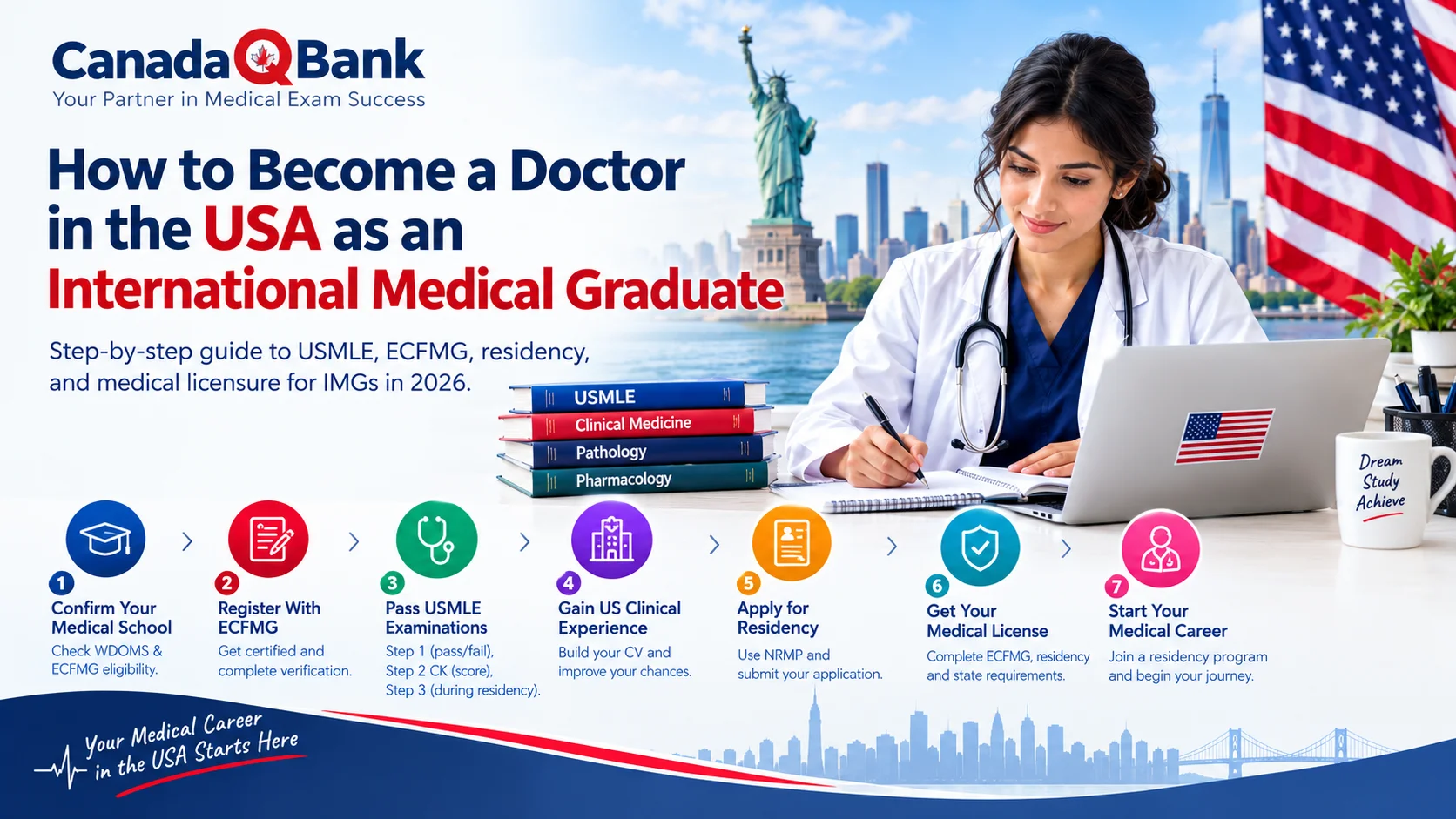
What Happens If You Fail Step 2 CK? A Complete Guide

What Happens If You Fail Step 2 CK? A Complete Guide

Failing USMLE Step 2 CK can feel devastating, especially after months of preparation and the pressure of residency applications. For many medical students and international medical graduates (IMGs), receiving a failing score triggers anxiety, disappointment, and uncertainty about the future. Questions like “Can I still match into residency?”, “Should I retake the exam?”, and “Will this ruin my medical career?” are completely normal.

The truth is that failing Step 2 CK is a setback, but it is not the end of your journey. Every year, many students recover from a failed attempt, improve their scores significantly, and successfully match into residency programs. The key lies in understanding why you failed, creating a smarter study strategy, and approaching your retake with confidence.

In this guide, we’ll explain what happens if you fail Step 2 CK, how it affects residency applications, and how you can prepare for a successful comeback.

Understanding Step 2 CK

USMLE Step 2 Clinical Knowledge (CK) assesses your ability to apply medical knowledge and clinical science in patient care settings. Unlike Step 1, which emphasizes basic sciences, Step 2 CK focuses heavily on:

  • Clinical reasoning
  • Diagnosis and management
  • Preventive medicine
  • Patient safety
  • Evidence-based care

Because residency programs value clinical competence, Step 2 CK has become one of the most important components of an application.

What Is Considered a Failing Score?

The USMLE establishes a minimum passing score for Step 2 CK, which may change over time. Candidates should always verify the current passing score on the official USMLE website.

If your score falls below the passing standard, your score report will indicate that you did not pass the exam.

While receiving this result is disappointing, it doesn’t mean your medical career is over.

Does Failing Step 2 CK End Your Residency Chances?

No.

Although a failed Step 2 CK attempt can make residency applications more challenging, thousands of physicians have matched successfully after recovering from an earlier failure.

Residency program directors evaluate multiple aspects of an application, including:

  • USMLE scores
  • Clinical experience
  • Letters of recommendation
  • Research activities
  • Personal statement
  • Medical school performance
  • Interview skills

One failed attempt is rarely the sole factor determining your future.

However, competitive specialties may become more difficult to enter, making a strong recovery even more important.

Common Reasons Students Fail Step 2 CK

Understanding why you failed is essential before beginning another round of preparation.

1. Insufficient Question Practice

Step 2 CK is an application-based exam.

Many students spend too much time reading books and not enough time solving questions.

Without repeated exposure to clinical scenarios, decision-making skills remain underdeveloped.

Solution

Focus heavily on question banks and active learning.

2. Poor Time Management

Some candidates start studying too late or study inconsistently.

Others try to cram in the final weeks.

This often leads to incomplete content coverage and burnout.

Solution

Create a structured study schedule with realistic goals.

3. Weak Clinical Reasoning

Step 2 CK is not about memorizing isolated facts.

It tests:

  • Next-best-step decisions
  • Management priorities
  • Patient safety
  • Differential diagnosis

Solution

Emphasize understanding rather than memorization.

4. Test Anxiety

Even well-prepared candidates may underperform because of stress.

Symptoms include:

  • Racing thoughts
  • Difficulty concentrating
  • Poor pacing

Solution

Practice full-length timed blocks and simulate exam conditions.

5. Burnout

Studying for months without adequate rest can impair concentration and memory.

Solution

Maintain healthy habits:

  • Sleep 7–8 hours
  • Exercise regularly
  • Take breaks
  • Avoid overstudying

How Long Must You Wait Before Retaking Step 2 CK?

USMLE policies may change, but candidates generally must wait a specified period before retaking the exam.

Always review the latest USMLE rules regarding:

  • Waiting periods
  • Attempt limits
  • Annual attempt restrictions

This waiting period gives you an opportunity to reassess your preparation strategy rather than rushing back into the exam.

Should You Retake Step 2 CK Immediately?

Not necessarily.

Many students make the mistake of scheduling another attempt too quickly.

Retaking the exam without addressing the underlying causes of failure often leads to repeated disappointment.

Before choosing a new test date, ask yourself:

  • Why did I fail?
  • Were my practice scores consistently strong?
  • Did I complete enough questions?
  • Was anxiety a major factor?
  • Do I need more time?

The goal is not to retake the exam quickly; the goal is to pass convincingly.

How to Bounce Back After Failing Step 2 CK

Step 1: Allow Yourself Time to Process

Failing Step 2 CK is emotionally difficult.

Take a few days to:

  • Accept the result
  • Reflect objectively
  • Avoid panic decisions

Remember that one exam does not define your abilities as a future physician.

Step 2: Analyze Your Score Report

Review your performance profile carefully.

Identify weak areas, such as:

  • Internal medicine
  • Surgery
  • Pediatrics
  • Obstetrics and gynecology
  • Psychiatry
  • Preventive medicine

Understanding your deficiencies allows you to study more efficiently.

Step 3: Build a New Study Plan

Successful retakers usually study for three to six months.

Phase 1: Content Review

Refresh weak subjects.

Duration:

4–6 weeks

Phase 2: Intensive Question Practice

Complete large numbers of questions daily.

Duration:

6–10 weeks

Focus on understanding explanations rather than simply tracking percentages.

Phase 3: Mock Exams

Take multiple self-assessments under realistic conditions.

Only schedule your exam when your practice scores consistently indicate readiness.

The Importance of Question Banks

Question banks are the foundation of Step 2 CK preparation.

They help you:

  • Develop clinical reasoning
  • Improve timing
  • Recognize common patterns
  • Identify weak subjects
  • Build confidence

Many successful candidates spend more time answering questions than reading textbooks.

How CanadaQBank Can Help

A successful Step 2 CK comeback requires active learning and repeated exposure to exam-style scenarios.

CanadaQBank’s USMLE Step 2 CK Question Bank offers:

  • Thousands of high-yield questions
  • Detailed explanations
  • Timed practice mode
  • Subject-specific assessments
  • Performance analytics
  • Realistic exam simulations

Instead of passively memorizing facts, CanadaQBank helps you develop the clinical decision-making skills tested on Step 2 CK.

By identifying weaknesses early and reinforcing key concepts, you can approach your retake with greater confidence and preparation.

Can You Match Into Residency After Failing Step 2 CK?

Yes.

Many applicants with previous failures successfully match into residency programs every year across a wide range of specialties. While a failed Step 2 CK attempt may present additional challenges, it does not automatically disqualify you from securing a residency position. What matters most is how you recover, improve, and present the rest of your application.

Residency programs evaluate candidates holistically, meaning they consider multiple components of your profile rather than focusing on a single exam result. A strong comeback, demonstrated growth, and consistent performance in other areas can significantly offset an earlier setback.

Factors That Can Strengthen Your Application

Improved Retake Score

One of the most important factors is your performance on the retake.

A substantial improvement in your Step 2 CK score shows resilience, determination, and the ability to learn from past mistakes. Programs often view a strong retake score as evidence that you have overcome previous gaps in knowledge or test-taking strategy and are now better prepared for clinical responsibilities.

Strong Clinical Evaluations

Your performance during clinical rotations plays a critical role in your residency application.

Excellent evaluations, strong clerkship grades, and positive feedback from supervising physicians can significantly strengthen your profile. Additionally, well-written letters of recommendation from attending physicians who can confidently speak about your clinical skills, professionalism, and work ethic can help reassure programs of your capability.

Research Experience

Research is another valuable component of a competitive application.

Publications, case reports, poster presentations, and involvement in academic projects demonstrate intellectual curiosity and commitment to medicine beyond exams. Even if your Step 2 CK result was not ideal, a strong research portfolio can help balance your application and show dedication to your specialty of interest.

Thoughtful Personal Statement

Your personal statement is your opportunity to tell your story.

If appropriate, addressing your Step 2 CK setback honestly and constructively can be beneficial. The key is not to dwell on failure but to highlight what you learned from the experience, how you adjusted your study strategy, and how it ultimately made you a stronger and more disciplined candidate. Programs value self-awareness, maturity, and growth.

Strong Interview Performance

The residency interview is a crucial opportunity to leave a positive impression.

During interviews, programs assess communication skills, professionalism, emotional intelligence, and motivation. A confident and well-prepared interview can significantly influence decision-making, especially when combined with improvements in other areas of your application. This is your chance to demonstrate that you are more than your exam score.

Mistakes to Avoid After Failing

Failing Step 2 CK can be discouraging, but the way you respond afterward has a major impact on your future success. Avoiding common mistakes is just as important as improving your academic preparation.

Retaking Too Soon

One of the most common errors is rushing to retake the exam without sufficient preparation.

While it may feel urgent to move forward quickly, retaking Step 2 CK before addressing the underlying issues often leads to repeated failure or only minimal improvement. It is essential to allow enough time for structured review, targeted practice, and meaningful skill development before scheduling your next attempt.

Switching Between Too Many Resources

Another frequent mistake is constantly changing study materials.

Jumping between multiple question banks, review books, and courses can create confusion and prevent deep learning. Instead, focus on a limited number of high-quality resources and use them thoroughly. Mastery comes from repetition, review, and understanding—not from collecting more materials.

Ignoring Mental Health

Mental and emotional well-being play a major role in exam performance.

Burnout, anxiety, and stress can negatively affect concentration, memory retention, and decision-making ability. Many candidates underestimate this factor. It is important to maintain balance by incorporating rest, exercise, and support systems into your routine. Seeking help when needed is a strength, not a weakness.

Focusing Solely on Percentages

Many students become overly fixated on question bank scores or daily percentages.

While performance metrics can be useful, they do not always reflect true clinical understanding. What matters more is analyzing why an answer was incorrect, identifying knowledge gaps, and learning from each mistake. Deep understanding leads to long-term improvement, not just higher percentages.

Comparing Yourself to Others

Comparing your journey to peers is one of the fastest ways to lose confidence and motivation.

Every medical student and graduate has a different background, timeline, and learning pace. Some may pass on the first attempt, while others may need more time to succeed. Your focus should remain on consistent progress and personal improvement rather than external benchmarks. Growth is individual, and success is still absolutely achievable regardless of setbacks.

Remember: Many Great Physicians Have Failed an Exam

A failed Step 2 CK attempt does not determine your future.

Medicine values resilience, persistence, and continuous learning. Many successful residents, specialists, and attending physicians have overcome academic setbacks and gone on to build outstanding careers.

Failure can become a powerful teacher if you use it to refine your preparation and strengthen your weaknesses.

Conclusion

Failing Step 2 CK is undoubtedly disappointing, but it is far from the end of your medical journey. What matters most is how you respond.

Take time to analyze what went wrong, build a structured study plan, and focus on active learning through extensive question practice. With the right strategy and mindset, many students achieve significantly higher scores on their second attempt and continue successfully toward residency and clinical practice.

If you’re preparing for a Step 2 CK retake, CanadaQBank’s USMLE Step 2 CK Question Bank provides thousands of exam-style questions, detailed explanations, and realistic practice tools designed to help you identify weaknesses, strengthen clinical reasoning, and return stronger than ever.

Your first attempt does not define you. Your response to adversity does.

Just Got Your USMLE Step 1 Score? Here’s What to Do Next!

Just Got Your USMLE Step 1 Score? Here’s What to Do Next!

Writing the USMLE Step 1 exam is no easy feat. It demands months of preparation, intense study sessions, and the mental stamina to relearn basic concepts taught during the first years of your medical journey. With that said, we truly congratulate you on crossing this major milestone.

For months, you poured over textbooks, drilled CanadaQBank questions, and probably spent countless nights wondering what your outcome might mean for your future. Now, the wait is finally over. You have your result.

Whether your reaction was relief, excitement, or disappointment, here’s what you need to remember: Step 1 is not the end of the road. It is simply one milestone in your longer medical journey. Whether you passed or failed, what you do in the next few weeks will set the trajectory for the rest of your exam journey.

Below is a clear guide on how to respond to your score and move forward confidently toward your next goal.

When and How You’ll Get Your Result

First, let’s make sure you understand what to expect.

  • Timing: Official reports are typically available within four weeks of your exam day. Many students receive their notification 2–3 weeks after testing.

  • Release day: Results are generally released on a Wednesday around mid-morning in U.S. time zones.

  • Delays: Occasionally, results may be delayed due to national holidays or administrative issues. On rare occasions, results have taken up to 8 weeks.

  • Email notification: Before your result is released, you should receive an email from the NBME informing you that your result is pending. Within 24 hours, you will receive another email with instructions on how to access your report.

  • Important: Download and save your report immediately. It is stored online for only about one year.

Understanding Your Step 1 Report (Pass/Fail Era)

Since Step 1 transitioned to a Pass/Fail format in January 2022, the weight it once carried in residency selection has shifted. Programs no longer see a numerical score — only whether you passed or failed.

  • If you passed: Your report will simply state “Pass.” No numeric score is shown. The report will also indicate which subject areas your specific exam emphasized (e.g., cardiology, gastrointestinal).

  • If you failed: Your report will typically include performance comparison charts against peers and show the minimum passing threshold (a pass score of 196).

If You Passed: Pause and Plan

Passing Step 1 is a genuine achievement. Do not rush past it.

Step 1: Celebrate

Take real time to decompress. You have cleared one of the most challenging academic hurdles in medicine. Passing means you have demonstrated competence in the foundational sciences that underpin clinical practice. This is the direct result of your months of hard work and discipline.

Step 2: Reflect

After celebrating, reflect on the choices you made during preparation. Ask yourself:

  • Which study techniques worked best?

  • What test-day strategies were most effective?

  • Which subject areas still felt shaky?

This honest reflection will help you fine-tune your approach for Step 2 CK.

Step 3: Plan Your Next Move

Depending on where you are in medical school, you will return to coursework, clinical rotations, or begin preparing directly for Step 2 CK.

A critical note: Because Step 1 no longer provides a score, Step 2 CK is now the primary objective metric in many residency application decisions. Ideally, you should aim to take Step 2 CK after completing your core clinical rotations and before your application deadlines. Many students plan their exam so the result is available when they submit residency applications.

If You Failed: Recover Strategically

Seeing “Fail” on your report is disappointing — there is no denying that. But it is not the end of your career.

Many successful physicians have failed an exam at some point. What matters most now is how you respond.

Step 1: Contact Your Medical School (If Applicable)

If you wrote the exam under an institution, contact your medical school immediately. Policies vary:

  • Some schools require you to retake within a specific period.

  • Others offer formal remediation support.

Step 2: Analyze What Went Wrong

You need to identify why you fell short the first time. Use your report’s subject breakdown and peer-comparison charts to pinpoint your weakest areas. Ask yourself honestly:

  • Was it content knowledge?

  • Poor time management?

  • Test anxiety?

  • Ineffective study strategies?

An honest analysis will guide your next study plan.

Step 3: Rebuild Strategically

Take the results of your reflection and rebuild your foundation in underperforming content zones while reinforcing the areas where you excelled.

Step 4: Understand Retake Policies

You are allowed up to four attempts in total, with up to three attempts in a 12-month window. Allow sufficient buffer time to prepare thoroughly.

Remember: Failure is not a verdict on your medical future. Your recovery strategy and performance in subsequent exams can completely reshape your trajectory.

Accelerate Toward Step 2 CK

After passing Step 1, your priority should shift to preparing for USMLE Step 2 CK.

Why Step 2 CK Matters More Than Ever

Step 2 CK gives you a three-digit numeric score — which now serves as the primary numeric performance metric for your residency application. Its importance cannot be overstated.

Step 1: Set a Timeline

Aim to take Step 2 CK 6–9 months before your residency application submission deadline. This gives you a buffer to retake if needed without jeopardizing your application.

Step 2: Design Your Study Schedule

Consider your clerkship rotations, shelf exams, and other responsibilities. Break your study blocks into:

  • Question practice

  • Review sessions

  • Full-length exam simulations

Step 3: Assess Your Baseline

Check your performance on clinical rotations and shelf exams. Are you retaining key concepts from clerkships? Your baseline performance will guide how long you need to study.

Step 4: Build Around Clinical Knowledge

Step 2 CK emphasizes diagnosis and management — testing whether you can apply foundational science in real clinical scenarios.

Recommended Tools for Step 2 CK:

  • UWorld Step 2 CK – Widely considered essential

  • CanadaQBank – Essential for assessments and full exam simulations

  • NBME practice exams – Help benchmark progress

  • Flashcards (Anki or spaced repetition) – Retain high-yield facts

  • Review videos or concise texts – Strengthen weak areas

Pro tip: Regularly simulate full-length tests to build endurance and test pacing. The more realistic your mock exams, the better your preparedness.

Use Your Time Wisely While Waiting

You do not need to jump immediately into intense studying. A strategic pause is actually beneficial.

1. Take a Limited Break

Give yourself a few days — up to one week — to rest and reset mentally and physically.

2. Begin Light Review (If Ready)

After your week of rest, if you feel up to it, begin a light review. Read through your stronger subject areas with short active learning sessions.

3. Plan Your Study Calendar

Dust off your CanadaQBank account. Decide on test date targets. Ensure you have access to all necessary materials and resources.

4. Seek Mentorship and Guidance

Talk to residents, faculty, or mentors about exam strategies or specialty planning. Their insights can help shape your upcoming steps.

Build Your Residency Application Beyond Exam Scores

While exam scores matter, your residency application is more than just test results. Program directors look for well-rounded applicants who demonstrate initiative, teamwork, and commitment to medicine.

Research (Especially for Competitive Specialties)

Research is almost essential if you are considering:

  • Dermatology

  • Neurosurgery

  • Orthopedic surgery

Start seeking opportunities for clinical research, case reports, or quality improvement projects. Even small contributions — like poster presentations — add value to your CV.

Extracurricular Activities

Teaching, volunteer work, or leadership roles in student organizations showcase interpersonal skills and dedication to service. For international medical graduates (IMGs), these activities help demonstrate integration into the North American medical system.

Networking

Attend conferences. Reach out to mentors. Do not hesitate to ask for guidance. Strong letters of recommendation often come from early connections.

Personal Well-Being and Resilience

Exams are stressful. Regardless of your outcome, take a moment to care for your mental and physical health.

Track Your Basics

  • Sleep – Your brain learns best when rested

  • Nutrition – A nourished body supports a focused mind

  • Movement – Regular activity keeps your body functioning properly

Embrace Stress-Relief Routines

Activities like meditation, journaling, or short walks can help reduce anxiety.

Seek Support

Especially if you feel overwhelmed, do not hesitate to reach out to:

  • Friends and peers

  • Academic support services

  • Mental health professionals

Maintain Perspective

Your worth is not defined by one exam. Step 1 is a learning point — not a judgment of your academic worth or your future as a physician.

Final Thoughts

Whether you passed or failed, you have already accomplished something significant: you sat for one of the most demanding medical licensing exams in the world.

  • If you passed: Celebrate, reflect, and channel that momentum into Step 2 CK preparation.

  • If you failed: Grieve briefly, then recover strategically. Your comeback story starts now.

With the right plan, smart use of resources like CanadaQBank, and attention to your well-being, you can move forward confidently. Step 1 is behind you. The next milestone is waiting.

Best Study Books for the Step 2 CK 2026

Best Study Books for the Step 2 CK 2024

After the USMLE Step 1 exam, it’s time to start preparing for the next step, and the first thing to do is get the right resources. The right study materials will set you up for success in your USMLE Step 2 CK examination. There are so many books specifically written for students preparing for Step 2, and selecting the ones that would work best for you can be overwhelming. You want to buy books that provide comprehensive information efficiently, use images and mnemonics, and have a great question bank. This article contains a list of carefully curated books and resources to help you prepare for your USMLE Step 2 CK 2026.

1. White Coat Companion

Boards and Beyond: White Coat Companion is a popular and efficient study material that covers every topic on the Step 2 exam syllabus, from gynecology to pediatrics to obstetrics and many other core areas. It is a great book to start with for your USMLE Step 2 studies 2026. The book is well-organized and thoughtfully put together, carefully considering the most frequently tested topics. White Coat Companion also contains a good number of tables and illustrations that will help visualize concepts you may find difficult.

While it may be a little overwhelming as it includes study resources for all clinical NBME exams and Step 3, it provides all the essential information to succeed in the Step 2 CK exam.

2. Master the Boards

In Master the Boards, you will find all the tables, algorithms, and images you’re likely to encounter in the USMLE Step 2 CK 2026 exam. With over 50 new tables and algorithms for management and diagnosis, 50 full-color diagnostic diagrams, and every topic presented as a series of questions, this book lives up to its title. It also comes with a question bank and a podcast for students who prefer audio aids.

However, it isn’t the most detailed resource and should be supplemented with other books for comprehensive coverage.

3. Kaplan Lecture Notes

Kaplan Lecture Notes is one of the best books to consult while preparing for Step 2 CK 2026. It is updated regularly and covers all topics in great detail across five volumes, focusing on areas like Hematology, Cardiology, Preventative Medicine, and Infectious Disease. Its 1,300 pages contain over 450 high-quality images and tables. The outline format helps candidates study step by step at their own pace.

When paired with other resources, it significantly aids preparation for the Step 2 CK exam 2026.

4. Step Up to USMLE Step 2 CK Fourth Edition

Unlike White Coat Companion, Step Up to USMLE Step 2 CK focuses precisely on the exam scope. Its sections span Neurology, Dermatology, Psychiatric Disorders, Oncology, Emergency Medicine, Pediatrics, and more, with mnemonics, illustrations, and color-coded sections.

The “Quick Hit” section highlights topics most likely to appear on the exam and contains up to 300 USMLE Step 2-standard practice questions. The fourth edition is an excellent additional study resource for focused preparation.

5. The USMLE Step 2 Secrets Fourth Edition

USMLE Step 2 Secrets is a compact, concise book using bulleted lists, algorithms, and illustrations for engagement and retention. The latest edition features a four-color section displaying pathology and clinical images. However, it may lack the most up-to-date content and overlaps with Step 1 and Step 2 resources.

6. First Aid for the USMLE Step 2

First Aid for USMLE Step 2 contains quick facts and bullet points covering patient safety, quality improvement, and other key areas. Its concise format is excellent for last-minute review, with mnemonics and visual aids to reinforce learning.

While very useful, it should not be the sole resource, as it focuses more on Internal Medicine than Pediatrics or Obstetrics & Gynecology.

Conclusion

All the books referenced above will be very helpful for USMLE Step 2 CK 2026 preparation. Most candidates benefit from combining multiple resources for maximum coverage. Revising previous Step 1 notes is also recommended, as they provide a solid foundation for Step 2 CK.

Don’t forget to practice and test yourself with real exam simulations. Visit CanadaQBank to access relevant study materials, practice exams, and question banks. Good luck on your Step 2 CK 2026 exam!

USMLE Step 2 CK Exam: Everything to Know Before Taking the Exam

USMLE Step 2 CK Exam: Everything to Know Before Taking the Exam

Before becoming a licensed doctor in the US or Canada, you must sit for a three-step exam known as the United States Medical Licensing Examination (USMLE). This examination body thoroughly evaluates every applicant to ensure they are competent and can provide quality healthcare services to patients across the US or Canada. The USMLE is taken not only by candidates in these two countries but also by foreign doctors and aspiring doctors who hope to work in the US or Canada.

The USMLE is a rigorous three-step exam. After successfully passing the first step, the applicant proceeds to the next, which is the Step 2 CK exam. This step tests the clinical knowledge of the applicant and how they apply their medical knowledge and skills to care for patients in a practical setting. There is a lot to know about the USMLE Step 2 CK, and in this article, we will provide answers to the most frequently asked questions about the exam.

What are the Requirements for the USMLE Step 2 CK?

Before one applies for the Step 2 CK, it is important to be familiar with the criteria to assess if you’re qualified to take the exam. Please note that before applying for Step 2 CK, you should be in one of the following categories at the time of application and on the exam day.

The first category: You should be a medical student officially enrolled in, or a graduate of, a US or Canadian medical school program leading to the MD degree that is accredited by the Liaison Committee on Medical Education (LCME).

The second category: You should be a medical student officially enrolled in, or a graduate of, a US medical school leading to the DO degree that is accredited by the Commission on Osteopathic College Accreditation (COCA).

The third category, which applies to foreigners: You should be a medical student officially enrolled in, or a graduate of, a medical school that is outside the US and Canada, listed in the World Directory of Medical Schools as meeting ECFMG eligibility requirements, and that meets other eligibility criteria of the ECFMG.

Once you have established that you fit into one of the above categories, you are qualified to apply for Step 2 CK exams. While you can take the USMLE steps 1 and 2 in any order, it is advised that you take the exam chronologically, i.e., take USMLE Step 1, which is a computer-based test, before advancing to Step 2 CK.

If your eligibility status changes before the exam date, you must withdraw your application. For example, if you are withdrawn or dismissed from medical school, do not go ahead with any of the USMLE exams, or you could be penalized.

What is the Exam Pattern for the USMLE Step 2 CK?

When preparing for an exam, it is essential to familiarize yourself with the exam format, and Step 2 CK is no different. This exam aims to test an applicant’s clinical knowledge and how they can apply that knowledge in patient care. Step 2 CK judges how devoted an applicant is to the principles of clinical sciences and basic patient-centered skills. These skills provide the foundation for the safe and competent practice of medicine, so the importance of this exam cannot be overemphasized.

The USMLE Step 2 CK is a one-day examination administered over the course of nine hours. The exam is divided into eight 60-minute blocks, and while the number of questions in each block may vary, it will not exceed 40. In total, you’ll be faced with 318 questions at most.

Applicants are entitled to 45 minutes for personal breaks, which is spread across a maximum of six breaks. Also, any time saved from completing sections early can be added to your personal break. There is an optional 15-minute tutorial period at the beginning of the test, but if skipped, the 15 minutes can be added to your total break time.

What is the Cost of Step 2 CK Exams?

As of 2024, the cost of Step 2 CK is about 895 USD, but the total charge varies for international applicants. This variation is due to the international test delivery surcharge as well as the exchange rate of each country.

What is Covered on Step 2 CK?

The exam content is generally grouped according to general medical principles and individual organ systems. Test questions are classified into one of 18 major categories, depending on whether they focus on concepts and principles that are applicable across multiple organ systems or within individual organ systems.

For Step 2 CK, the tested system specifications include embryology, immune system, blood and lymphoreticular system, behavioral health, nervous system and special senses, and several others as listed on the USMLE content outline.

How do you Apply for USMLE Step 2 CK?

This depends on whether you’re in the US, Canada, or a foreigner. Applicants in the US or Canada should apply through the National Board of Medical Examiners (NBME). Meanwhile, foreign doctors or medical students should register with the Educational Commission for Foreign Medical Graduates (ECFMG).

How Long After the Step 2 CK are Results Released?

Results are typically released within 4 weeks after the exam date. The exam is graded on a scale of 300, and as of January 2024, the minimum passing score for USMLE Step 2 CK is 214.

Once the results are available, applicants will receive an email from the body they registered with – NBME or ECFMG. The results will also be posted on the respective body’s website. If you do not receive an email within two months of taking the exam, you should contact the registration body directly.

What Happens if an Applicant Fails?

If an applicant fails their Step 2 CK exam, they are permitted to retake the exam up to four times. However, if they are unsuccessful each time, they automatically become ineligible to apply for the USMLE exams in the future.

Conclusion

Like every medical exam, the USMLE can seem very daunting, but with proper preparation and information, it is possible to perform excellently. Don’t forget that CanadaQBank has a vast resource bank which can help you prepare for the USMLE Step 2 CK exam.

USMLE Step 2 CK 2025 Exam Dates and Costs

USMLE Step 2 Clinical Knowledge

What is the USMLE Step 2 CK Exam?

The USMLE Step 2 CK (Clinical Knowledge) is a critical examination conducted by the National Board of Medical Examiners (NBME) and the Federation of State Medical Boards (FSMB) in the United States. It forms a part of the US medical licensure process alongside Step 1. This article will delve into the essential aspects of the USMLE Step 2 CK, including its format, dates, costs, and preparation tips, providing a comprehensive guide for medical students.

Understanding the USMLE Step 2 CK

USMLE Step 2 CK is designed to assess a candidate’s ability to apply medical knowledge and understanding of clinical science necessary for the care of patients. The exam is a computer-based, multiple-choice test featuring approximately 318 questions and spans over nine hours. It covers a wide range of medical disciplines including internal medicine, surgery, obstetrics and gynecology, pediatrics, psychiatry, and preventive medicine. Additionally, the exam includes questions on patient safety, medical ethics, and legal issues.

Importance of USMLE Step 2 CK

Medical students typically take Step 2 CK after completing their core rotations in their third or fourth year. It plays a crucial role in the residency application process, as residency programs frequently consider Step 1 and Step 2 CK scores as part of their selection criteria. With Step 1 now transitioning to a pass/fail system, Step 2 CK scores are becoming increasingly significant in evaluating candidates.

USMLE Step 2 CK Test Dates for 2025

Unlike Step 1, Step 2 CK does not have fixed test dates. Students need to obtain a registration permit, which allows them to schedule the exam within a three-month eligibility period. The test can be scheduled through the Prometric website, which offers various dates, times, and locations within the specified eligibility period. For updates on Prometric center closures, visit their website.

Scope of Mathematics on Step 2 CK

The Step 2 CK exam includes a small percentage of questions requiring elementary mathematical calculations, primarily biostatistics. The math level is basic, involving simple arithmetic, which can be handled using a four-function calculator built into the exam interface. Familiarizing yourself with the calculator before the exam can enhance your efficiency.

Exam Duration and Structure

The Step 2 CK exam consists of approximately 318 questions, divided into eight 60-minute blocks, each containing up to 40 questions. The entire exam lasts about nine hours, including 45 minutes of break time and 15 minutes of tutorial time. You may view the tutorial before the exam, and if you do so, this time is added to your break allowance, giving you a total of 60 minutes of break time.

USMLE Step 2 CK Costs for 2025

The cost to take the USMLE Step 2 CK exam in the United States is approximately $1,000. International students may incur an additional surcharge of about $200. You should also consider other potential costs, such as travel, accommodation near the testing center, and potential rescheduling fees.

What to Wear for the USMLE Step 2 CK

Comfort is key when dressing for the USMLE Step 2 CK. Choose clothing that is comfortable for extended periods and suitable for the testing environment. Testing centers may have specific attire guidelines, so it’s wise to check in advance. Consider wearing layers, such as a sweater or light jacket, in case the exam room is cold. Comfortable shoes are also recommended, as you will be sitting for long periods.

Preparation Tips

  1. Study Materials: Utilize recommended textbooks and online resources specifically tailored for the USMLE Step 2 CK.
  2. Practice Tests: Take full-length practice exams to build stamina and time management skills.
  3. Tutoring: Consider engaging a tutor for personalized guidance and support. Services like Elite Medical Prep offer consultations and specialized tutoring to help you succeed.

Conclusion

The USMLE Step 2 CK is an essential examination for medical licensure in the United States. Understanding its format, scheduling the exam within the eligibility period, preparing thoroughly, and knowing what to expect on exam day will significantly increase your chances of success. For further assistance, consider utilizing resources such as CanadaQBank for practice questions and professional tutoring services to guide your preparation.

Essential Steps for Crafting Your USMLE Step 2 CK Study Plan

For most medical doctors seeking to emigrate, the USMLE is seen as an impressive roadblock to overcome due to its difficult and stringent requirements. As you embark on this critical medical journey, the significance of a personalized and well-structured study plan cannot be overstated.

A mistake people tend to make is that they search for premade study guides to follow and follow religiously. This is a problem because everyone has different ways of studying and strong and weak points, so a non-personalized premade schedule may cause you to lose time. Luckily, below are helpful steps you can take when planning a comprehensive and effective study guide for your exam preparation.

Understand the exam

Before we begin, we must first understand the underlying nuances involved in the Step 2 CK exam. Unlike its Step 1 precursor, Step 2 evaluates your capacity to apply medical knowledge to real-world clinical scenarios, and its format comprises a multi-choice question section and a Clinical Case Scenario with a total number of questions not exceeding 318.

The exam is for a day and is divided into eight 60-minute blocks administered in a 9-hour testing session. The number of questions per block on a given examination will vary but will not exceed 40.

Assessment of Personal Readiness:

The next step is to perform a reflective and candid self-assessment of your medical knowledge. This will help you identify your strengths and weaknesses and give you accurate data to help you set realistic goals and tailor your study plan to your needs. You should use a Qbank here to test where you stand concerning each of the subjects tested.

Establish a Study Timeline:

Making a timeline for Step 2 preparation is advised since time may suddenly turn from being on your side to being against you. You should plan to study for about 10 hours each day for 4 to 8 weeks. Estimate how long it will take you to study each required subject, and then divide that time into manageable portions. You can do this to provide more structure by making an hourly, daily, or weekly timetable.

Selecting Study Resources:

There are many study resources available online and offline; a common misconception people have is that they need to read as many Step 2 study resources as they can find. However, This is not a good strategy as focusing on finishing each resource can be daunting and prevent you from using your limited study time to fully comprehend subjects. Ideally, you should have a question bank(qbank), a comprehensive textbook, and a review book to help you understand and remember better.

Plan for Practice Questions and Assessments:

Practice questions are the essence of Step 2 CK preparation. These questions mirror real-world test circumstances, help you improve your clinical reasoning skills, and aid you in refining your time management skills. Integrate practice questions into your weekly routine and carefully track your progress. It is critical to view mistakes as chances for progress rather than setbacks.

A good Qbank for your Step 2 CK preparation is CanadaQbank, which contains almost 4,000 multiple-choice questions separated by topics from the tested subjects. It has detailed answers and explanations for all the questions asked, plus it allows you to test your speed by offering timed and untimed practice modes.

Focus on High-Yield Topics:

You should better understand where you need to improve and where you simply need to review after your introspective self-evaluation. As a result, on each day of your study program, assign yourself things to review. Because not all topics are equally important, start with your weakest subjects and give heavier issues a few days before moving on to less demanding ones. You must choose high-yielding subjects and dedicate a considerable portion of your time to learning them. This allows you to prioritize your weak subjects and evaluate them later.

Create a Study Environment:

Something that is equally as important as your study schedule is your study environment. It is well known that The ambiance in which you study holds the potential to significantly impact your productivity.

Dedicating an area to studying is a great idea because your brain begins associating that area with learning. Logically, the area must be distraction-free and pleasant for you as you will spend a long time there. Be sure to use comfortable and supportive furniture to prevent developing any musculoskeletal issues.

You may also consider spending a few days studying at a library or a quiet coffee shop to introduce variety.

Schedule Mandatory Days Off

While you might be tempted to study every day for the next few weeks, it is simply not sustainable, as you will most likely suffer burnout and begin a series of cascading events that will throw your carefully planned schedule out of whack. If you study at home, try not to spend your days off at home; go out and clear your mind of all the stress from your Step 2 CK prep.

Consistency and Time Management

Being consistent with your study plan is crucial to achieving your goal. Otherwise, why bother creating it in the first place? The bedrock of effective study habits is unwavering consistency. Stick to your meticulously crafted study schedule even when motivation wanes. You can also implement proven time management techniques like the Pomodoro technique to help you maintain your focus during reading.

Adaptation and Flexibility

Even the most carefully thought-out plans of humans and animals often go awry, leading to unexpected outcomes and challenges. Unforeseen setbacks can occur, so you must maintain mental flexibility and be prepared to pivot rather than panic and lose additional time and momentum.

Final Review and Test-Day Preparation

A week before the exam, conduct a final exam and ensure you stimulate the experience of the authentic Step 2 exam. Use the results to conduct a final review of everything, focusing on your new weaknesses (if any). On the day of the exam, we recommend keeping reading to a minimum and instead ensure you have all the material equipment you’d need for your Step 2. You’ve put in the work. You got this.

Plan an After Exam Treat

You may find it helpful to arrange a treat you’d enjoy after the exam. This will give you something to look forward to when you’re deep in the drudgery of studying. It could be a vacation, hanging out with your favorite people, or doing your favorite activity. Remember, all work and no play makes Jack a dull boy.

Conclusion

We hope these steps help you craft an exemplary Step 2 CK study guide for your preparation. A well-crafted study plan is not just a roadmap but a blueprint for achieving success in the Step 2 CK examination. You can approach this exam with unshakeable confidence by becoming intimately acquainted with the exam, defining sensible targets, leveraging appropriate resources, and strictly adhering to your plan.

Be sure to visit us at CanadaQbank, where we have all you need to prepare for any exam you plan to take, whether the USMLE, PLAB, or AMC exams.

USMLE Step 2 CK (Clinical Knowledge)

USMLE Step 2 Clinical Knowledge

The United States Medical Licensing Examination (USMLE) is a three-step examination designed to assess a physician’s ability to apply medical knowledge, clinical skills, and professional judgment in patient care, in accordance with U.S. healthcare standards. Passing the USMLE is a mandatory requirement for obtaining medical licensure in the United States, and it is open to both U.S. medical graduates and international medical graduates (IMGs).

While the USMLE consists of three steps, this article focuses specifically on USMLE Step 2 CK (Clinical Knowledge)—one of the most critical exams for securing competitive residency placements.

What Is USMLE Step 2 CK?

USMLE Step 2 CK is a computer-based, multiple-choice examination that evaluates your ability to apply clinical knowledge in real-world patient scenarios. The exam focuses on patient-centered care, clinical reasoning, and the integration of medical knowledge across disciplines.

Unlike Step 1, which emphasizes foundational sciences, Step 2 CK assesses your readiness to practice medicine as a supervised physician. It does not test procedural skills or autonomy but rather your theoretical and clinical decision-making abilities.

Most students take Step 2 CK during their fourth year of medical school, and performance on this exam plays a major role in residency selection, making it an exam that must be taken seriously.

USMLE Step 2 CK Exam Format

USMLE Step 2 CK is completed in one day and consists of:

  • 8 blocks, each lasting 1 hour
  • Up to 40 questions per block
  • A total of no more than 318 multiple-choice questions
  • Total testing time: 9 hours

Break Time

You are given approximately 45 minutes of mandatory break time, plus an optional 15-minute tutorial. If you have already completed the tutorial beforehand, you may skip it and add that time to your break.

Additionally:

  • If you finish a block early, the unused time can be added to your break
  • The exam is administered at Prometric test centers worldwide

If you have a medical or physical condition requiring extra break time (e.g., diabetes, lactation), you must submit a request form with medical documentation before your exam date.

To become fully comfortable with the test structure and timing, practice under exam-like conditions using CanadaQBank’s USMLE Step 2 CK preparation course.

USMLE Step 2 CK Exam Content

USMLE Step 2 CK evaluates your understanding of:

  • Patient safety
  • Legal and ethical principles
  • Professionalism
  • Diagnosis and management of common and high-impact clinical conditions

The exam follows a detailed outline published by the USMLE and is organized by organ systems and clinical disciplines. Questions are drawn from approximately 18 major content categories, although not every category appears on every exam.

Key subject areas include:

  • Internal Medicine
  • Surgery
  • Obstetrics & Gynecology
  • Pediatrics
  • Psychiatry
  • Behavioral Sciences
  • Biostatistics & Epidemiology
  • Cardiovascular System
  • Respiratory System
  • Renal & Urinary System
  • Gastrointestinal System
  • Musculoskeletal System
  • Nervous System & Special Senses
  • Immune System
  • Blood & Lymphatic System
  • Multisystem Processes & Disorders
  • Foundational Science Principles
  • Legal, Ethical Issues & Professionalism

Questions are structured around normal and abnormal processes and require application rather than recall.

USMLE Step 2 CK Passing Score

The current passing score for USMLE Step 2 CK is 209 (subject to change).
While passing is essential, higher scores significantly improve your chances of matching into competitive residency programs.

How to Apply for USMLE Step 2 CK

Passing USMLE Step 1 is a prerequisite for taking Step 2 CK. Because Step 2 CK is more clinically demanding, it is important not to rush into scheduling the exam.

Application Process:

  • S. and Canadian students: Apply through the NBME website
  • International Medical Graduates (IMGs): Apply via the ECFMG portal

Steps include:

  1. Selecting a three-month eligibility period
  2. Scheduling your exam through the Prometric website
  3. Receiving your scheduling permit (usually within 3 weeks)

Rescheduling Policy:

  • Free rescheduling if done 31+ days before the exam date
  • Fees apply for changes within 30 days
  • If you miss your eligibility period, you may request a one-time extension for an additional fee
  • The current exam fee is $645

If the exam is not taken within the original or extended eligibility period, you must reapply and pay new fees, as payments are non-refundable and non-transferable.

Preparing for USMLE Step 2 CK

Preparing for USMLE Step 2 CK requires consistent, high-quality practice—and that’s where CanadaQBank comes in.

CanadaQBank offers:

  • 3,989 high-yield MCQs aligned with Step 2 CK content
  • Timed and untimed practice modes
  • Detailed explanations for every question
  • Performance analytics to track progress
  • Global accessibility—study from anywhere in the world

Whether you are strengthening weak areas or simulating full exam conditions, CanadaQBank provides the tools you need to prepare with confidence.

Affordable plans range from $95 per month to $335 per year, making comprehensive preparation accessible to every student.

Final Thoughts

USMLE Step 2 CK is a challenging but achievable exam. With a solid understanding of the exam format, strategic planning, and consistent practice using reliable resources like CanadaQBank, you can maximize your score and strengthen your residency application.

Preparation is not just about studying harder—it’s about studying smarter.

5 Proven Tips to Study Effectively for the USMLE in 2026

5 Proven Tips to Study Effectively for the USMLE in 2026

The United States Medical Licensing Examination (USMLE) remains a critical milestone for aspiring physicians in the United States. While Step 1 is now pass/fail, Step 2 CK and Step 3 still rely heavily on scoring. Preparing for these exams requires strategic planning, consistent effort, and the right study techniques. Here are five expert-backed tips to maximize your study efficiency and reduce stress.

Tip #1 – Start Early and Build Consistency

Cramming at the last minute is rarely effective. Starting your USMLE prep months in advance allows for spaced repetition, which improves long-term retention.

  • Review new information once or twice per week
  • Spend additional days reviewing material already covered
  • Break content into manageable chunks to prevent overwhelm

Early preparation ensures a strong foundation and reduces pre-exam panic.

Tip #2 – Study Daily, Even in Small Blocks

Consistency beats intensity. Studying every day—even for short periods—keeps information fresh and reduces forgetting.

  • Aim for 1–4 hours daily, depending on your schedule
  • Include brief breaks to prevent burnout
  • Use weekends or lighter days for mock exams or deeper review

Daily study habits build momentum and improve recall under exam conditions.

Tip #3 – Use a Variety of Study Tools

Relying on a single resource is rarely sufficient. Use multiple formats to reinforce learning and mimic the USMLE exam experience:

  • Qbanks like CanadaQBank or UWorld for practice questions
  • Flashcards for memorizing key facts and pathways
  • Textbooks and online lectures for conceptual understanding
  • Study groups for discussion and clarification

Mixing methods keeps your study engaging and ensures you understand, not just memorize, material.

Tip #4 – Don’t Hesitate to Seek Help

Everyone struggles with challenging topics. Seeking guidance accelerates learning and prevents gaps in knowledge.

  • Join study groups to leverage peer strengths
  • Ask professors or mentors for clarification
  • Use online forums or communities for advice and tips

Getting help early prevents frustration and builds confidence.

Tip #5 – Take Timed Mock Exams

Simulated exams are one of the most effective ways to prepare. They replicate real testing conditions and help you refine strategies:

  • Complete full-length timed exams
  • Review missed questions and understand why answers were incorrect
  • Focus on high-yield weak areas in subsequent study sessions

Mock exams also improve time management, stamina, and test-day confidence.

Final Thoughts

Studying for the USMLE can be intense, but strategic planning makes it manageable.

  • Start early and review consistently
  • Study daily with breaks
  • Mix study tools and seek guidance when needed
  • Take mock exams to simulate real conditions

By following these strategies and leveraging tools like CanadaQBank, you can make your USMLE preparation more efficient, less stressful, and highly effective.

Remember, success is built on smart preparation, not just hard work.