
Why Are Canadian Medical Students Having a Hard Time Finding Residencies?

Canadian Medical Students Residencies

A residency is one of the most important parts of any medical student’s journey to becoming a licensed, practicing physician. Unfortunately for many students across Canada, residencies are growing scarce, even as many patients across the country are struggling to find doctors to care for them. What’s happening in Canada, and what can be done to change it?

News from the Canadian Resident Matching Service

After completing medical school, aspiring doctors must complete a residency, which is essentially hands-on training under the watchful eye of licensed healthcare professionals. Not all Canadian students are being given the opportunity, even after graduating their medical programs. The Canadian Resident Matching Service, or CaRMS, is the organization responsible for matching resident doctors with training facilities. In April 2018, the organization said that 115 of this year’s graduating students could not find placement. This number is up from 99 in 2017 and 77 in 2016. Failing to complete between two and seven years of residency means they cannot receive a license to practice medicine.

A Devastating Blow

Medical school is one of the most difficult undertakings imaginable. Sleepless nights, countless hours of study, and days counting pennies due to the sheer cost of attending school create a great deal of stress for students. Imagine completing an entire program successfully, feeling incredibly relieved as a result, only to find out that you cannot complete the final leg of your journey through no fault of your own. For these 115 hopeful students, it was a devastating blow, and it can all be blamed on the declining number of available residency spots across Canada.

Why Are There Fewer Residency Spots?

Henry Annan, a fourth-year graduate at Dalhousie University, is also the president of the Canadian Federation of Medical Students. In response to the increasing percentage of students who are not matched with residency programs, the group is now lobbying governments in individual provinces to give hospitals and other facilities more funding so that they can add the residency programs. Per Amman, provinces have been cutting funding for a few years, and those that haven’t cut funding simply haven’t been willing to keep up with the growing number of medical school graduates. Of course, mismatches between residency specialties that students wanted and the residency specialties available is also a factor.

Changes in Ontario

Ontario’s government recently announced that it would add 53 extra spots to help fulfill the needs of recent graduates in that province who did not receive a placement this year, but these spots don’t come without requirements. Students who accept them will be asked to sign a contract obligating them to work in an underserved area of the province for two years after their residencies are completed. Though it is an excellent step for now, it won’t work in the long run, and eventually, positions in the underserved communities will run out, as well.

As if this weren’t startling enough, the fact that patients across Canada struggle to find doctors makes it even more puzzling. People want to be doctors and need to complete the last step of the journey, and people need those doctors – but the Canadian government needs to allow for more residency spots in order to fulfill either of these needs.
 

What’s It Like to be a Harvard Medical School Student?

Harvard Medical School Student

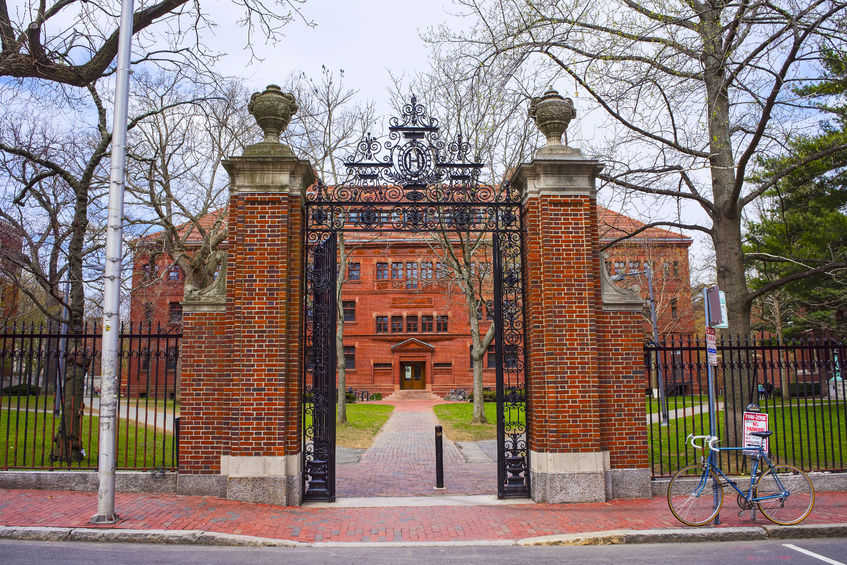
People from all over the world have dreamed about going to Harvard Medical School since they were small children, but they rarely take the time to fully understand what it’s like. Here, you can discover some of the best parts of a day in the life of a Harvard student, which will allow you to make better decisions about your own medical education.

A Sense of Accomplishment

Before diving into busy days and incredible expectations, it’s important to first look at the best part of being a Harvard Med student – and that’s the sense of accomplishment. Only about 5% of Harvard applicants are accepted, and when it comes to the prestigious school’s medical program, that number drops to roughly 3% – a very small number, indeed. If you ever doubt your ability to make it through your education as tough as it is, remember that you are one of those 3%. You made it this far based on your sheer determination, your work ethic, and your intelligence, and you can continue to use those things to your advantage to succeed into the future.

Life On Campus

Life on campus isn’t much different from life at any other college according to students who attend Harvard Med. It’s very much a small community where you will eat, sleep, visit your friends, shop, and access pretty much anything you need. There are coffee shops, restaurants, shopping plazas and more within walking distance, and there’s also public transportation to help you get to destinations too far away for a stroll. You will travel to classes by foot, however, and you will need to traverse crowded sidewalks crammed with students and lots of tourists. If you have classes further away from where you live, you can take a shuttle to get you there.

More on Harvard Time

If you’ve ever had a friend or family member who’s attended Harvard, there’s a good chance you’ve heard of “Harvard Time.” For years, classes started exactly seven minutes after their scheduled start times, thus coining the term. However, in the last couple years, faculty voted to end this tradition – and even beforehand, several professors required students to arrive on time despite the tradition. Classes last about 75 minutes and you’ll have 15 minutes to pass between them.

Social Events

Harvard Medical School is no stranger to pride, and because of that, you’ll find numerous social clubs and activities in which to participate. Some of these are designed to help you hone your talents or enjoy your hobbies, but others exist solely to enhance the likelihood that you will succeed. The Student Affairs Committee, for example, exists to promote individual and professional growth of students during their journeys at Harvard Medical School and beyond.

Coursework, Studying, Exams, and Clinicals

There’s no denying that Harvard Medical School is one of the most difficult medical schools in the world. Courses are difficult, even for the brightest students, and studying seems endless as a result. Exams are also among some of the most challenging anywhere on the planet, which means students often feel a great deal of stress in the weeks and days leading up to them. Later in your education, once clinicals get thrown into the mix, you may feel as if sleep has become a luxury rather than a necessity. Nonetheless, it will all be worth it in the end.

Live at Harvard Medical School is not easy, but at the same time, it isn’t as terrifying as you might imagine, either. The sense of pride you will feel each day as you make your way to classes will make up for the difficult exams and nonstop studying, and to top it all off, the landscape is stunningly beautiful. There’s little doubt that your time at Harvard Med will be unforgettable.

What Is the Canadian Federation of Medical Students?

Canadian Federation of Medical Students

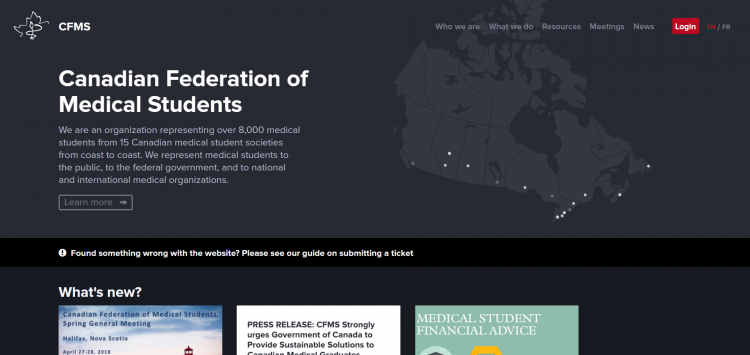
The Canadian Federation of Medical Students is an organization made up entirely of students from 15 different societies spread all across the country. The CFMS exists in order to serve as representation for all the medical students in Canada to the public, the government, and to other medical organizations both nationally and worldwide.

What the CFMS Does

The Canadian Federation of Medical Students plays numerous important roles. They are involved in advocacy, education, global health, communications, and student affairs, among other things, and they push to provide new initiatives for medical students to pursue. Currently, some of these initiatives include:

  • CFMS Wellness – This initiative seeks to promote wellness at medical schools throughout Canada with the ideology that wellness is an important ingredient in becoming a successful medical professional.
  • Residency Matchbook – The CFMS also reviews the residency match list set forth by the CaRMS, which is designed to help those moving into their residencies learn more about them and prepare.
  • Day of Action – This is an annual event during which a bevy of medical students travel to Ottawa’s Parliament Hill to talk about various issues of importance with lawmakers.
  • Press Releases – The CFMS is constantly involved with national and local press, which helps to get the word out about their organization and the goings-on in the national healthcare industry.
  • International Exchanges – This excellent exchange program allows medical students to travel to a foreign country to take on clinical electives or even research for a period of four weeks. It’s a once in a lifetime opportunity for many students that the CFMS is proud to sponsor.

Unique CFMS Resources

Though the medical schools and organizations in Canada strive to provide numerous services designed to enhance success rates, the CFMS, made entirely of students themselves, takes things even further. Their website provides medical students with a host of resources, too.

  • Residency Matchbook – The organization links to and reviews the CaRMS annual match to help provide aspiring doctors with career planning advice and more.
  • Discounts – Thanks to the popularity and reach of the CFMS, they have secured numerous discounts on everything from interview tours, WestJet flights, hotels, and even electives through a variety of service providers.
  • Resources from MD Financial Management – MD Financial Management is the financial services partner of the CFMS, and this group serves medical students who want to better manage their money. Included are financial checklists, options for buying a house and car, tips for buying insurance, budgeting advice, and much more.
  • Couples Match Ranking App – Finally, this unique app helps students come up with a ranking order when they apply for a residency using the CaRMS Couples Match option. This option allows couples the chance to stay together during their residencies – something that is quite unique to Canada, and something the CFMS promotes as important.

The CFMS is very much like a student council, but it has a much broader reach and is made up of students attending medical schools from one Canadian coast to the other. Thanks to its excellent reputation, it has become a go-to source of information and advice for thousands of medical students each year.

Image Source:  https://www.cfms.org/

Time Management Tips Ideal for Medical Students

Time Management Tips

Between going to classes, studying, and going about the everyday rigors of life – especially if you also have a job – it probably seems as if you never have enough time to get everything done. Fortunately, there are plenty of time management tips that can help you get more done in the time you have without sacrificing sleep or time for yourself.

Use a Monthly, Weekly, and Daily

Planners are a great tool to have in your medical school arsenal, and they come in many styles and price ranges. Ideally, you should keep a planner with a monthly, weekly, and daily view so you can have an overview of what’s coming up as well as a way to plan your day. Start by labeling the current month with your important exams and lectures, then head over to the current week and add these to that layout, as well. Then, every evening, review your weekly layout and create a schedule for the next day. By scheduling your entire day hour-by-hour, you will discover that you really can get things done as long as you stay focused.

Multitask When Possible

Though it’s hard to do much multitasking as a medical student, it is absolutely possible. Here are a few tips you can use:

  • Record lectures and listen to them when you commute or exercise. Some people find that listening to recorded lectures on their morning jog or even as they commute helps them discover things they may not have heard during the actual lecture.
  • Meal prep for a week in advance. This is one of the best time-saving tips of them all, and the good news is that it’ll also save you money. Plan your shopping trips in such a way that you have enough food to make two or three meals instead of just one. Then freeze your extra portions for healthy, wholesome dinners on the fly.
  • Study with friends. Social time is vitally important to your overall wellbeing, so make a few friends in your classes and turn part of your social time into study time. This will benefit everyone in the long run.

Don’t Procrastinate

“I’ll study an extra few hours tomorrow,” or “I’ll be okay if I only get four hours of sleep tonight,” are common among medical students. Unfortunately, what gets put off until tomorrow rarely gets done, and doing this regularly just puts even more stress on you the following day. Training yourself to stop procrastinating takes time and self-discipline, but it is well worth it in the end. Consider rewarding yourself for completing your list of daily to-dos without putting anything off. For example, for every day you manage to do this, give yourself $5 to spend at the restaurant on campus you’ve been dying to try.

Medical school is tough, and there’s no doubt about that. If you feel like you are constantly on the go but still not accomplishing as much as you should, you are absolutely not alone. The tips listed above are some of the absolute best for making the most of the time available to you without sacrificing your well being.

Are Medical Schools Looking for the Musically Inclined?

Doctors and Music

If you’ve always dreamed of being a doctor, you’ve likely spent many years preparing for your opportunity to attend a prestigious medical school. Between taking the right preparatory classes, getting good grades, and doing your part for your community, hobbies likely never cross your mind. However, there’s some evidence suggesting that medical schools prefer students with musical abilities for a few different reasons.

What Does Music Have to Do with Medical School?

If you think that your ability to play a guitar, saxophone, or piano will get you into medical school alone, then you have been sadly misinformed. Unfortunately, there’s a lot more to admission into medical school than playing a musical instrument. However, if you meet all the other requirements and you play an instrument, there’s some data to show that your chances of gaining entry will likely be much higher. It’s not about the ability or the knowledge of the notes; it’s about the self-discipline it takes to learn an instrument in the first place.

Similar Traits

Dr. Doug Angel, a surgeon who carefully removes cancerous tumors of the head and neck, didn’t take the usual route to medical school. Dr. Angel and several other of Canada’s medical professionals started their journeys with degrees in music. Though he majored in piano and created beautiful melodies with his hands, he now spends his days removing cancerous tumors from his patients’ heads and necks. Though music and medicine may not have an apparent and immediate link, there are traits shared between doctors and musicians that can help predict professional success.

  • Avoiding Complacency – Complacency is often described as the lack of desire to improve one’s skills and overcome plateaus. Musicians push past these plateaus by reassessing their skills and focusing on what they could do better. This translates well in medicine, too. By constantly assessing one’s skills and how they could be improved, patient outcomes also improve.
  • Preparedness – Musicians who performed as part of chamber groups also have an advantage. They learned early on to work together on their own time to do the best work possible and be prepared for their performances. Once again, this will also serve students well in medical school; they will be expected to study on their own time and prepare themselves for exams.
  • Matching Technical Skill with Art – A career as a musician is founded in technical skill just as a career in medicine is founded in knowledge of the human body. However, at some point, both of these will coalesce into something greater – something in which both the musician and the physician will give it his or her own signature and make it an artform. Art and science complement each other perfectly, and musicians who have taken the time to learn the foundations and apply their own personal touches are almost always successful doctors for the same reasons.

Medical schools are catching on, too. After all, professors put a lot of time and energy into developing the world’s next generation of doctors and surgeons, ensuring that previous generations’ work and research is expanded into the future. These days, medical schools look at much more than your GPA, so if you are musically inclined, be sure to put this on your application.


What Is the Professional and Linguistics Assessment Board?

QBank for the Plab Part 1

The Professional and Linguistic Assessments Board (PLAB) is a UK-based examination designed to evaluate whether international medical graduates have the knowledge, skills, and competency required to practice medicine safely in the UK. For many foreign medical graduates, understanding the PLAB is the first step toward earning a license to work in the NHS.

Sign up to our PLAB Part 1 Question Bank

Who Needs to Take the PLAB?

If you graduated from a medical school outside the UK, the European Economic Area (EEA), or Switzerland, you are required to pass the PLAB exam to demonstrate that you meet UK medical standards. Both parts of the PLAB must be successfully completed before you can register for a license to practice medicine in the UK.

Scheduling Your PLAB Exam

PLAB registration and scheduling are handled through the General Medical Council (GMC). By creating an account on the GMC portal, you can:

  • Book PLAB 1 in multiple countries worldwide
  • Access essential exam resources, including the PLAB blueprint, which outlines the knowledge and skills assessed in the exam
  • Receive updates and guidance on fees, locations, and exam dates

Tip: Download the PLAB blueprint and review it thoroughly before starting your preparation. This ensures you focus on high-yield areas relevant to the exam.

A Two-Part Examination

The PLAB consists of two parts:

PLAB Part 1 – Written Exam

  • Format: 180 multiple-choice questions (single best answer)
  • Duration: 3 hours (~1 minute per question)
  • Content: Clinical scenarios from medicine, surgery, pediatrics, obstetrics & gynecology, psychiatry, and ethics
  • Locations: Available globally at approved test centers
  • Pass rate: ~65%

Each question presents a clinical scenario where you must choose the best answer from five options. This tests your diagnostic reasoning, clinical judgment, and knowledge application.

PLAB Part 2 – Practical Exam (OSCE)

  • Format: Objective Structured Clinical Examination (OSCE)
  • Stations: 18 simulated patient scenarios, 8 minutes each
  • Skills Assessed: Communication, clinical examination, history-taking, diagnosis, and management
  • Location: Clinical Assessment Centre, Manchester, UK
  • Pass rate: ~66%

PLAB 2 is a hands-on test of your practical and interpersonal skills in clinical settings, simulating real UK patient interactions.

After Passing the PLAB

Once you pass both exams:

  1. You can apply for registration with a license to practice in the UK through the GMC.
  2. Timeline: You must complete this application within two years of passing PLAB 2.
  3. Once approved, you can legally work as a doctor in the UK under NHS regulations.

The PLAB ensures that international medical graduates have the same clinical competency expected of UK-trained doctors. It’s an essential step for students from Canada, the US, India, and many other countries who aim to practice in the UK.

Key Takeaways for 2026

  • Start preparing early: 3–4 months for PLAB 1, 4–6 months for PLAB 2
  • Use question banks and mock OSCE practice to simulate real exam conditions
  • Familiarize yourself with UK guidelines (NICE, BNF, GMC guidance)
  • Practice communication skills for patient-centered scenarios in PLAB 2
  • Stay updated on GMC exam policies and fees

With structured preparation and smart study strategies, passing the PLAB is achievable. Millions of international graduates have done it—you can too.

What Are the Top 10 Medical Schools in the United States?

Top 10 Medical Schools in the US

If you are interested in attending an American medical school, there are dozens from which to choose. Below, you will find the top 10 medical schools in the country. These schools are ranked according to USMLE pass rates, post-graduation success, and more.

#1 – Harvard University

Harvard is arguably the most prestigious medical school in not only the United States, but also the entire world. The faculty are the most brilliant minds in their fields, and Harvard’s medical professionals are focused on research and innovation, as well. The school was established in 1636, making it the oldest university in the country.

#2 – Stanford University

Stanford is located in the heart of California’s Silicon Valley. Recently, through the Stanford Challenge campaign, the school spent $4.3 billion to enhance its research on the environment, human health, arts, education, and more. It’s one of the top research universities in the world, particularly when it comes to the medical field.

#3 – Johns Hopkins University

This school opened its doors in 1876 and has since set worldwide standards for educating new physicians and surgeons. Its medical center is known around the world for its ambition and research initiatives, as well. There are some 24,000 students attending the university at any given time, with several thousand of these students attending the medical program and performing their residencies at the famed Johns Hopkins Medical Center.

#4 – The University of California

The UCSF’s School of Medicine is one of four professional schools, and it’s also one of the best in the country. Their research program focuses on basic science, which serves as a foundation for everything from medicine to engineering. The school places a great deal of focus on learning more about the very foundations of biology, which drives innovation.

#5 – University of Pennsylvania

UPenn has been operational since 1740, and it offers four undergraduate and 12 graduate schools, giving it a very broad reach. It focuses on intellectual rigor, inclusivity, and research to improve the lives of people around the world, and its medical program is certainly no exception. The school spends some $700 million each year on new research initiatives, many of which are in the medical field.

#6 – Columbia University

Columbia has led the nation in medical education for more than 250 years, and with more than 200 individual research centers and institutes, it sets world standards for research initiative. The university offers some of the best work-study programs, internships, and residencies in the country, as well.

#7 – Duke University

Though Duke is in its infancy compared to many of the other prestigious medical schools in the US, it has certainly proven its value to the country. It focuses on the pursuit of knowledge and is especially appealing to students who want to broaden their ideas and test their talents – even in the medical field.

#8 – Washington University at St. Louis

The medical school at Washington University is all about creating diversity in the medical field. Its research center is known as one of the most productive and effective in the world, as well. Students value this university for its unique career center, which helps aspiring doctors determine their career paths long before graduation.

#9 – University of Michigan at Ann Arbor

The University of Michigan at Ann Arbor is yet another top contender when it comes to US medical schools thanks to its unique approach to data analysis and research. It offers some 31 master’s programs related to medicine and health, and it spends $1.3 billion each year on research initiatives alone. These initiatives not only produce some of the world’s greatest doctors, but also create jobs, enhance the economy, and make the world a better place for humankind.

#10 – Yale University

Yale is one of the oldest and most prestigious universities in the country, and it was founded back in 1701. It boasts numerous research centers that focus on various disciplines, including several specific to biology, medicine, and technology that could benefit the medical world. Career advising is top-notch here, and they offer some of the finest residency opportunities in the country.

If you are interested in attending medical school in the United States, these 10 options are the cream of the crop. Admission requirements are quite stringent, however, so be sure to check them out, work hard, and do your very best if you want to attend.


Steps Required to Become a Doctor in the US

Become a Doctor in the U.S

American doctors are among some of the highest-paid healthcare professionals in the world, so it comes as no surprise that people from all over the planet study, work hard, and obtain their license to practice within the US. There are several steps involved in becoming a doctor in the United States and understanding them can help you make better decisions about your chosen career path.

#1 – Earn Your Undergraduate Degree & Prepare for Medical School

The very first thing you need to do to become a doctor in the US is earn your bachelor’s degree. Though the major you choose is not really important at this point, remember that you will need to complete courses in biology, chemistry, math, and physics before you can gain entry into medical school. Once you earn your bachelor’s degree, you will need to take and pass the MCAT exam, which stands for Medical College Admissions Test. Almost every medical school in the country requires you to not only pass the exam, but also score highly on it. The most prestigious schools in the nation require incredibly high scores.

#2 – Get Your Medical Degree

Medical school is tough, and programs typically last about four years. You’ll spend the first two years in a classroom setting and the last two working with patients under the supervision of an experienced doctor. American medical students find their studies quite stressful, but fortunately, there are ways to simplify things. Keeping healthy, utilizing proven study methods, and getting enough rest will go a long way toward helping you to earn your degree.

#3 – Complete a Residency

After you’ve graduated from medical school, you will be required to complete a residency program to prove your competency to work as a physician in the US. During your residency, you will work in a variety of specialty settings, including things like obstetrics, pediatrics, and even surgery. During this time, you will be responsible for patient care, and depending on the year of your residency, you may or may not work under the direct supervision of a doctor. Residency programs last four years, and you will complete this part of your education in a hospital setting.

#4 – Get Your Medical License

Finally, in order to work as a physician in the US after you complete your residency, you will need to obtain a license, and in order to get the license, you will need to take the USMLE licensing exam. In order to qualify for the exam, you will need to complete medical school and your residency program beforehand, and you will need to pass any exams that come alongside this residency, too. The USMLE is a three-step exam, and you must pass each step-in order to move on to the next. Scores here are not important; this is a pass-or-fail type of examination.

Once you obtain your license, you can seek employment in a hospital or clinic, or if you prefer, you can even start your own practice. You may also choose to seek certification from the American Board of Medical Specialties (ABMS) in a specific area of medicine in order to further your career as a physician.


Important Things to Know Before Taking the USMLE Step 1 Examination

USMLE Step 1 Examination

Preparing to take the USMLE Step 1 exam can be an overwhelming experience filled with stress and uncertainty. However, with thorough education and strategic preparation, you can approach this critical milestone in your medical career with confidence. Here’s everything you need to know to navigate the USMLE Step 1 successfully:

1. Understanding the Test Format

Familiarize yourself with the test format to alleviate anxiety and enhance your readiness for exam day. The USMLE Step 1 consists of seven sections, each comprising 40 multiple-choice questions, with a total testing time of eight hours. Utilize the optional 15-minute tutorial before the exam to acclimate yourself to the testing interface and procedures, ensuring a smoother testing experience.

2. Application Steps and Cost

To apply for the USMLE Step 1, register through the NBME if you are a graduate of a medical school accredited by the LCME or COCA in the US or Canada. International medical graduates must register through ECFMG. Choose a test date from the available options throughout the year and be prepared for the registration fee.

3. Determining the Best Time to Sit for the Exam

Most students opt to take the exam between their first and third years of medical school, ideally after completing basic medical science courses but before starting clinical rotations. This timing allows for the retention of fresh knowledge while providing additional study time.

4. Passing Scores and Test Results

As of January 26, 2022, USMLE Step 1 score reporting is conveyed solely as pass/fail for exams taken on or after this date. The passing standard is set at 192. Additionally, future assessments of the Step 1 passing standard will not be presented in the format of a three-digit score.

5. Strategies for Test Day Success

On exam day, arrive early to the testing center to complete check-in procedures and familiarize yourself with the environment. Manage your time effectively during the exam, pacing yourself through each section and maintaining composure with relaxation techniques. Approach each question confidently, trusting in your preparation and knowledge.

6. Post-Exam Reflection and Review

After completing the exam, take time to reflect on your performance and identify areas for improvement. Review challenging questions and seek clarification as needed. Engage with peers and mentors to discuss strategies and insights for future preparation. Celebrate your accomplishment and recognize the hard work invested in reaching this milestone.

With thorough preparation and strategic planning, you can navigate the USMLE Step 1 exam successfully, paving the way for a rewarding career in medicine.

7. Utilizing Resources and Study Materials

Access a variety of resources and study materials to enhance your preparation for the USMLE Step 1 exam. Utilize review books, question banks, online courses, and practice exams to reinforce key concepts and familiarize yourself with the exam format. Incorporate active learning strategies such as flashcards, mnemonics, and concept mapping to deepen your understanding and retention of information.

8. Implementing Effective Study Strategies

Develop a structured study plan tailored to your learning style and schedule. Allocate dedicated study time each day and set realistic goals to track your progress. Focus on high-yield topics and prioritize areas of weakness while incorporating regular review sessions to reinforce learning. Stay organized, disciplined, and consistent in your study efforts to maximize efficiency and effectiveness.

9. Managing Test Anxiety and Stress

Combat test anxiety and stress through relaxation techniques, mindfulness practices, and stress-reduction strategies. Prioritize self-care activities such as exercise, adequate sleep, and healthy nutrition to support overall well-being and cognitive function. Cultivate a positive mindset, visualize success, and maintain confidence in your abilities throughout the preparation process.

10. Seeking Support and Guidance

Seek support from peers, mentors, and faculty members to navigate the challenges of preparing for the USMLE Step 1 exam. Join study groups, participate in review sessions, and engage in collaborative learning opportunities to exchange insights and resources. Take advantage of academic support services and counseling resources offered by your medical school to address academic concerns and personal challenges.

Conclusion: Empowering Your Journey

Navigating the USMLE Step 1 exam requires dedication, perseverance, and a strategic approach to preparation. By understanding the test format, establishing effective study strategies, managing stress, and seeking support, you can confidently tackle this important milestone in your medical education journey. Remember that success is not only measured by your score on the exam but also by the knowledge and skills you acquire along the way. Embrace the journey, celebrate your progress, and trust in your ability to excel. Best of luck on your path to success! And don’t forget to utilize resources like CanadaQbank to enhance your preparation and increase your chances of success.

How Do I Become a Doctor in Canada?

Become a Doctor in Canada

If you are interested in a lucrative, high-paying, and secure career, becoming a physician is a fantastic option. As if helping others and potentially even saving lives were not enough, Canadian physicians earn $339,000 each year on average. Becoming a doctor in Canada is a lengthy process that takes place in four major steps, and the information below will help you understand how it works from start to finish.

Obtain Your University Degree

First things first, before you can even go to medical school in Canada, you will first need to obtain a degree from an accredited university. This must be a bachelor’s degree, at the very least, and most medical schools will prefer that your degree have a basis in science. Though BS degrees are not always necessary, they benefit you by providing you with a basic understanding of concepts like biology and chemistry, making medical theories easier to understand. All medical schools will have a list of prerequisite courses, most of which are in science, so be sure that you take these during your time at university.

Go to Medical School

There are 17 medical schools in Canada from which to choose, but most will require that you are a resident of the same province in order to attend. It is a good idea to contact the school of your choice to obtain its specific requirements for admission, as well. Many medical schools across the country will require you to sit for and pass the MCAT (Medical College Admission Test), so this is an important step. It is easier than ever to apply for medical schools in Canada thanks to standardized online application systems.

Keep in mind that only a quarter of the students who apply to Canadian medical schools are accepted, so having outstanding credentials and a high university GPA will work in your favor. Medical school lasts four years; the first two take place in more of a classroom and lab environment, and the last two incorporate clinicals, where you work with patients under the supervision of a licensed physician.

Take and Pass Your Licensing Exam

After you complete your training in a four-year medical school, you must pass a licensing examination to prove your knowledge and competency before you can work as a physician in Canada. This exam, known as the MCCEE, or Medical Council of Canada Evaluating Examination, is by and large the most difficult exam most students will ever take. It is best to begin preparing and studying early, and for the best possible retention, utilize several study methods. Group study, quiet reading, note-taking, flash cards, and online question banks can provide you with a well-rounded study experience.

Complete Your Residency

Finally, once you have passed the MCCEE examination and become a licensed physician, Canada law requires you to complete a residency program before you can work independently. The goal is to allow newly-licensed doctors to learn from more experienced professionals in a sort of mentoring system and to allow them to adapt to their new career choices. For family doctors, the residency lasts two years, but for specialists, residencies can last as long as six years. Beyond that, you could even choose a subspecialty with another two or three years’ residency.

It takes at least 10 years of education and residency to become a doctor in Canada, and in that time, you will take one of the most difficult examinations in the world – the MCCEE. With enough dedication and persistence, and with the drive to help others for a lifetime, you could be one of Canada’s next favorite physicians.